That sudden tingling in breast tissue is a sensation that can catch many Singaporean and Malaysian mummies off guard, especially when navigating the hustle of city life. Whether you are commuting on the MRT or resting in your air-conditioned condo, these "pins and needles" can spark various concerns. While frequently linked to standard physiological shifts like hormonal fluctuations, nerve reactions, or physical exertion, it can occasionally serve as a nudge to monitor your health more closely. This guide delves into the diverse origins of breast tingling—from harmless daily occurrences to symptoms requiring a GP's visit—empowering you to navigate your motherhood journey with confidence.
Why is My Breast Tingling? Exploring the Primary Triggers
A tingling sensation within the breast can stem from numerous factors, often ranging from natural hormonal cycles and nerve sensitivity to the friction of tight clothing in our humid tropical climate. In some instances, it may indicate a localized issue such as a cyst or a nursing-related infection.
SEA Mummy Tip: In the sweltering heat of Singapore and Malaysia, sweat trapped in non-breathable bras can lead to skin irritation that mimics deep tingling. Always opt for moisture-wicking fabrics!
Hormonal Fluctuations - Changes in oestrogen and progesterone levels often trigger sensations in breast tissue, particularly during the menstrual cycle, pregnancy, menopause, or while undergoing hormone replacement therapy (HRT).
Nursing & Mastitis - For breastfeeding mummies, a painful inflammation known as Mastitis can cause significant tingling. This often happens when a milk duct becomes blocked or if there is bacterial entry through cracked nipples.
Neuropathy & Nerve Health - Compressed or damaged nerves can manifest as tingling, numbness, or localized weakness. Those undergoing chemotherapy for breast health may experience neuropathy as a side effect.
Thyroid Function (Hyperthyroidism) - An overactive or underactive thyroid can occasionally impact nerve signalling, leading to strange sensations in the extremities and breast area.
Nutritional Deficiencies - A lack of Vitamin B12 or Iron—common concerns for busy mummies—can lead to systemic tingling sensations.
External Factors - These include ill-fitting underwired bras, costochondritis (chest wall inflammation), breast cysts, or minor sports injuries sustained during a gym session.
How Does the Let-Down Reflex Affect Tingling Breasts During Breastfeeding?
For nursing mothers in Singapore and Malaysia, this tingling is a very common hallmark of the milk ejection reflex, widely known as "let-down." As your little one latches, oxytocin triggers the milk to move through the ducts, often resulting in a prickly or warm sensation. Other contributors include engorgement (common when returning to work after the 16-week MOM maternity leave) or poor latching. Using a dedicated nursing pillow can assist in achieving the perfect ergonomic position, reducing nipple trauma and subsequent tingling.
The Sensation: Most mummies describe it as "pins and needles" or a mild, rhythmic buzzing sensation.
The Timing: It usually kicks in just as your baby starts to suckle, or even when you hear a baby cry while walking through a shopping mall like Vivocity or Mid Valley.
The Duration: This feeling is typically fleeting, subsiding once the milk begins to flow steadily.
Managing the Reflex: To encourage a smoother let-down, try a warm compress or a relaxing shower before you begin your nursing or pumping session.
Is a prickly feeling normal during a nursing session?
Absolutely. It is a physiological signal that your milk is being released from the ducts to the nipple. This "let-down" is a positive sign that your body is responding to your baby's needs.
Can I expect a "pins and needles" sensation while breastfeeding?
Yes, many women report a distinct "pins and needles" feeling during breastfeeding, which is generally no cause for alarm.
Should I proceed to pump if I feel my breasts tingling?
Yes! Since tingling often precedes milk flow, it is actually the ideal time to pump. This ensures you are working with your body's natural rhythm to maintain your supply.
Why do I feel tingling even between my baby's feeds?
This can happen if your breasts are becoming full (engorgement) or if your body is conditioned to release milk at certain times of the day, triggering the reflex even without direct stimulation.
How Can Mummies Manage Breast Discomfort at Home?
If the tingling is bothersome but not painful, simple lifestyle adjustments can make a world of difference. Switching to supportive, non-wired bras and ensuring your posture is upright while working at your desk can alleviate nerve pressure.
Utilise over-the-counter anti-inflammatories if approved by your pharmacist.
Alternate between warm and cool compresses to soothe the tissue.
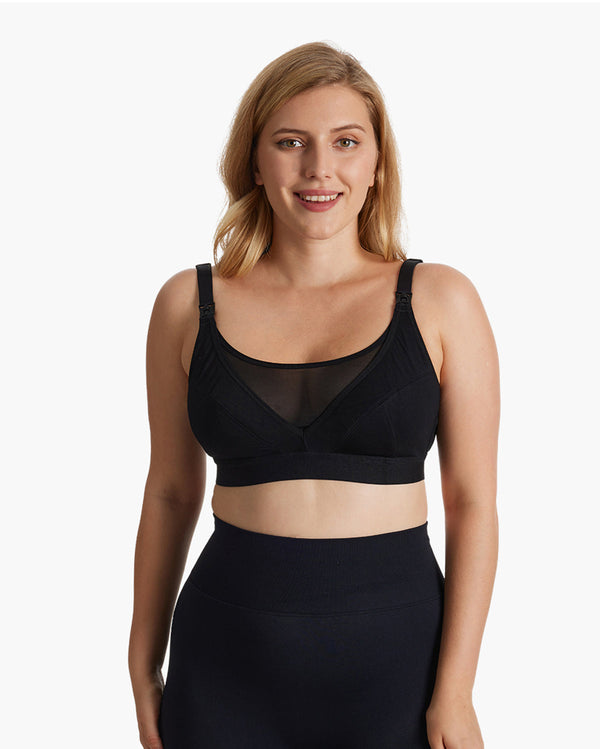
Invest in high-quality, seamless support. A Momcozy Seamless bra is perfect for the SEA climate, offering irritation-free comfort. For those expressing milk at the office, Momcozy Nursing Bras allow for easy pumping without excessive compression. The popular YN46 model, a Netmums favourite, is a top-tier choice for both comfort and functionality.
Evaluate your diet; reducing caffeine intake can sometimes minimize breast sensitivity.
Consider supplements like Vitamin E or Evening Primrose Oil after consulting your doctor.
Incorporate relaxation techniques to manage the stress of modern parenting in the city.
When Is It Time to Consult a Medical Professional?
While tingling is often benign, certain "red flag" symptoms require a consultation with your GP or a lactation consultant in Singapore or Malaysia.
Persistent Irritation: If itching or tingling lasts for more than a week without relief.
High Intensity: If the sensation becomes painful or prevents you from daily activities.
Visible Swelling: If the breast feels hot, hard, or looks visibly swollen.
Unexplained Rashes: Any new redness or skin changes between or under the breasts.
Skin Texture Changes: If the skin appears "orange-peel" like or flaky.
Lumps: Discovery of any new, hard, or stationary lumps.
Abnormal Discharge: Sudden nipple discharge that is bloody or occurs spontaneously from only one side.
Family Medical History: If you have a history of breast health issues, it is always safer to get a professional screening.
Local Insight: In Malaysia, you can check if your private medical insurance or SOCSO (PERKESO) covers specific diagnostic screenings if you are referred by a specialist.
Local FAQs: Tingling Breasts in the SEA Context
What exactly does breast tingling signify?
It is typically a sign of one of four things:
Hormonal Shifts: Very common during the first trimester of pregnancy or right before your period returns post-partum.
The Let-Down Reflex: The natural movement of milk during nursing.
Early Mastitis: Your body's immune response to a blocked duct or infection.
Physical Compression: Often caused by a bra that is too tight for your post-baby body.
Why am I tingling if I am not pregnant or nursing?
If you aren't currently expecting or breastfeeding, the sensation could be due to your menstrual cycle, certain medications, healing scar tissue from past surgeries, or even a viral infection like shingles.
Is it normal for my nipples to feel like they are buzzing?
Yes, nipple sensitivity is common due to temperature changes (like stepping out of a cold mall into the heat), friction from exercise, or hormonal peaks. However, if it's accompanied by a white or shiny appearance, it could be "vasospasm," which a lactation consultant can help manage.
Can I use my CDA (Singapore) or Baby Bonus for breast-related medical checkups?
While the Baby Bonus Cash Gift is flexible, the CDA (Child Development Account) is primarily for the child's healthcare and education. However, you can use your MediSave for certain maternity-related medical expenses at approved providers.
Conclusion
Experiencing a tingling sensation in the breast is a shared experience for many mummies across Singapore and Malaysia. Most of the time, it is simply your body performing its natural functions—whether responding to hormones or nourishing your baby. By choosing the right support, such as seamless bras, and staying aware of your body's signals, you can manage these sensations easily.
Always remember that you know your body best. If the tingling comes with fever, lumps, or persistent pain, do not hesitate to seek advice from your local polyclinic or private specialist to ensure peace of mind.
The information provided in this article is for general informational purposes only and does not constitute medical advice, diagnosis, or treatment. Always seek the advice of your physician or other qualified health provider regarding any medical condition. Momcozy is not responsible for any consequences arising from the use of this content.