Have you recently spotted more pronounced blue lines tracing across your chest? While it might feel alarming at first, seeing veiny breasts is usually a standard physiological response to life stages like pregnancy, nursing, or even simple hormonal shifts. In our tropical Southeast Asian climate, where heat and humidity can affect blood circulation, these changes might become even more noticeable. Let’s explore the primary triggers, local management tips for SG and MY mummies, and when you should seek a medical opinion.
What Are the Possible Causes of Veiny Breasts?
There are numerous reasons why veins might become more visible, and most are perfectly normal. Here is a breakdown of the common culprits:
Pregnancy and Increased Blood Volume: During your journey to motherhood, your blood volume can surge by up to 40% to support your growing little one. This extra flow often makes veins appear more prominent against the thinner skin of the breasts.
Hormonal Fluctuations: Whether it’s your monthly cycle or the use of oral contraceptives, shifts in hormones can lead to fluid retention and increased blood flow to breast tissue.
Breastfeeding and Engorgement: When your milk comes in, the increased pressure can push superficial veins closer to the surface. While common, if you experience intense pain or fever, it might be mastitis—a condition requiring a trip to a GP in Singapore or Malaysia.
Weight and Skin Changes: Gaining weight can push veins closer to the skin, while significant weight loss can reduce the subcutaneous fat that usually masks them. Additionally, as we age, our skin loses elasticity and thins, making the underlying vascular network more apparent.
Physical Activity: Intense workouts at your local gym or a run through the Botanic Gardens increases your heart rate and dilates blood vessels, causing temporary visibility.
Post-Surgical Changes: Procedures such as breast augmentation can stretch the skin, especially with larger implants, making veins look more distinct.
Mondor’s Disease: This is a benign inflammation of the superficial veins, often caused by local trauma or even wearing overly restrictive clothing in our humid weather.
Pseudoangiomatous Stromal Hyperplasia (PASH): A rare, non-cancerous condition that can mimic more serious symptoms. Consultation with an oncologist or pathologist is recommended if lumps accompany the veins.
Inflammatory Breast Cancer (IBC): Though very rare, IBC can manifest as visible veins along with swelling and a skin texture similar to an orange peel. Immediate medical evaluation is vital if these signs appear.
SEA Mummy Tip: In the heat of KL or Singapore, stay indoors during peak sun hours. Excessive UV exposure can thin the delicate skin on your chest, making those blue veins appear even darker.
How Soon Do Veins Show in Breasts When You’re Pregnant?
For many women in the region, seeing veiny breasts as an early pregnancy symptom is one of the first physical clues. You might notice these "roadmaps" appearing as early as 4 to 6 weeks into your first trimester. This happens because your body is working overtime to prepare for lactation and support the fetus, often coinciding with that initial wave of breast tenderness and swelling.
Can You Treat Veiny Breasts During Pregnancy or Breastfeeding?
If you are currently expecting or nursing, the good news is that treatment is rarely necessary. Most of the time, these veins will naturally fade after you’ve finished your breastfeeding journey or once your hormones level out postpartum. The focus here should be on comfort and support.
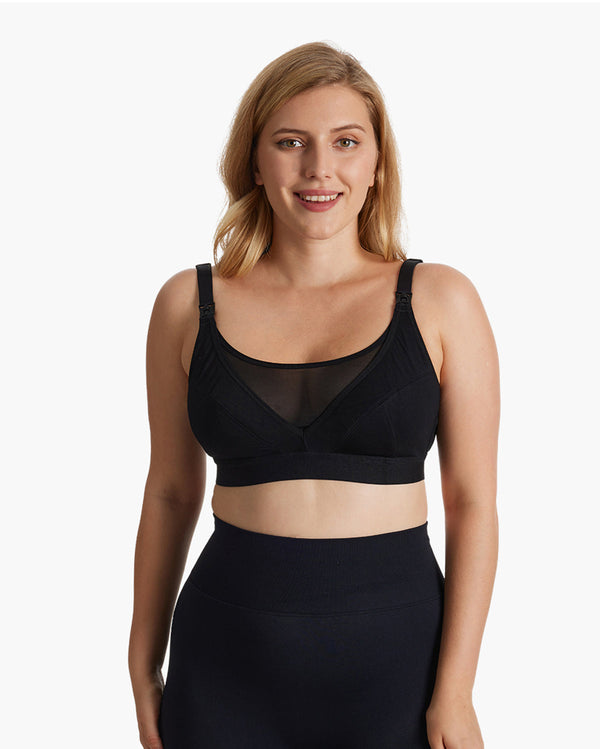
A high-quality, supportive bra is essential to reduce tissue strain. Momcozy offers a curated selection of nursing bras designed to adapt to your changing shape. It’s a trusted choice for Mummies who need a balance of soft fabric and structural support.
SEA Mummy Tip: If you are in Singapore, don't forget that you can use your Baby Bonus (CDA) funds at certain integrated healthcare providers for postnatal check-ups if those veins are accompanied by discomfort!
Can You Prevent Veiny Breasts During Pregnancy or Breastfeeding?
While you can't stop your body's natural increase in blood flow, you can manage the aesthetic impact and physical comfort:
Invest in Maternity Support: Use a well-fitted nursing bra from Momcozy to minimize skin stretching. Using a nursing pillow during feeds can also take the weight off your breast tissue, reducing strain.
Stay Hydrated: Drinking plenty of water is crucial in our tropical heat to maintain skin elasticity and healthy circulation.
Monitor Weight Gain: Gradual weight gain, as advised by your gynae, helps the skin adapt slowly rather than stretching abruptly.
Wear Breathable Fabrics: Opt for loose, cotton-based clothing to avoid unnecessary compression and heat rash, which can aggravate the skin's appearance.
How to Treat Veiny Breasts Not for Pregnancy or Breastfeeding
If your veiny breasts are not related to maternity, you might look into cosmetic or clinical solutions:
Professional Interventions
Laser Therapy: A popular option in SG/MY aesthetic clinics, this uses heat to collapse visible vessels.
Sclerotherapy: A medical solution is injected to close the veins, which eventually fade away.
Radiofrequency Ablation: Uses thermal energy to seal off the veins.
Lifestyle & Home Care
Sun Defense: Always apply a high-SPF sunscreen. The Southeast Asian sun is intense, and UV damage is a leading cause of skin thinning.
Daily Moisturising: Use lotions rich in Vitamin E or Aloe Vera to keep the skin supple.
Stable Weight: Avoid "yo-yo" dieting to prevent the skin from thinning or stretching unnecessarily.
Can You Prevent Veiny-Looking Breasts?
General prevention focuses on long-term skin health and vascular support:
Supportive Foundations: Even if not pregnant, a good bra reduces the gravitational pull on breast tissue.
Moderate exercise: Keeping active helps maintain overall cardiovascular health and efficient circulation.
Healthy Diet: Focus on antioxidants and healthy fats (like those found in local salmon or avocado) to support skin structure.
When Should I See a Doctor
While usually benign, certain red flags require a professional check-up at your nearest polyclinic or private specialist:
Sudden appearance of veins without an obvious trigger.
Veins that feel warm, tender, or look swollen.
Skin changes like dimpling (Peau d'orange) or persistent redness.
New lumps, unusual nipple discharge, or inverted nipples.
Systemic symptoms like fever or extreme fatigue (signs of infection).
Localised FAQs for Singapore & Malaysia
Is it normal for breasts to be veiny in our hot weather?
Yes. Heat causes blood vessels to dilate (vasodilation) as your body tries to cool down. This, combined with the naturally thin skin on the breasts, can make veins look more obvious during a hot afternoon in Singapore or Malaysia.
Does SOCSO or PERKESO cover treatment for veiny breasts?
Generally, visible veins are considered a cosmetic or natural physiological change and are not covered by SOCSO. However, if the veins are a symptom of a serious underlying medical condition or injury sustained at work, you should consult your HR or insurance provider regarding medical claims.
Can I use my Baby Bonus (CDA) for breast health consultations?
In Singapore, CDA funds can often be used at approved healthcare institutions (like certain private clinics or hospitals) for postnatal consultations. If you have concerns about mastitis or unusual vein changes, check if your provider accepts CDA payments.
What are the best local remedies for engorged veiny breasts?
Consistent Pumping: Use a portable pump to relieve engorgement regularly.
Cabbage Leaves: A popular "Aunty" tip in SEA—chilled cabbage leaves can help reduce swelling and heat.
Hydration: Given our humidity, ensure you're drinking at least 3 litres of water daily if breastfeeding.
Nipple Care: Use natural nipple creams to maintain skin integrity.
Final Words
Whether you're noticing veiny breasts as an early pregnancy symptom or as a result of the tropical heat, remember that your body is simply adapting. By choosing the right support—like a Momcozy nursing bra—and staying hydrated, you can manage these changes comfortably. Always listen to your body; if something feels "off," a quick chat with your doctor will provide the peace of mind every Mummy deserves.
Disclaimer
The information provided in this article is for general informational purposes only and does not constitute medical advice, diagnosis, or treatment. Always seek the advice of your physician or other qualified health provider regarding any medical condition. Momcozy is not responsible for any consequences arising from the use of this content.