


Life is filled with moments of change—starting a new job, moving to a new home, caring for loved ones or welcoming a child into the family. While each milestone brings excitement and joy, it can also bring uncertainty, stress and emotional adjustment. That's why emotional wellbeing is an essential part of overall health, helping us build resilience, adapt to life's challenges and care for ourselves and those around us.
For mothers, one of life's most transformative experiences begins with pregnancy and continues well beyond childbirth. As they recover physically, adjust to caring for a newborn and establish their breastfeeding journey, mothers often experience significant hormonal, emotional and lifestyle changes—all at the same time. While much attention is given to a baby's health and development, a mother's emotional wellbeing deserves just as much care, understanding and support.
This World Breastfeeding Month, Momcozy shines a light on the importance of supporting mothers beyond breastfeeding itself. From understanding the science behind postpartum emotional wellbeing to building confidence through expert guidance, innovative solutions and a supportive community, every mother deserves to feel empowered throughout her unique breastfeeding journey. After all, when mothers are supported, families thrive.
Emotional Wellbeing: The Foundation of Overall Health
Emotional wellbeing is more than simply feeling happy—it is the ability to understand and manage emotions, cope with life's challenges, build meaningful relationships and maintain a sense of purpose. Just as physical health requires proper nutrition, regular exercise and adequate rest, emotional wellbeing also requires care and attention throughout every stage of life.
When we feel emotionally well, we are generally better equipped to manage stress, make informed decisions and adapt to change. Strong emotional wellbeing can positively influence our relationships, confidence and overall quality of life. Conversely, prolonged stress and emotional exhaustion can affect sleep, energy levels, concentration and physical health.
Recognising this, the World Health Organization (WHO) defines health as "a state of complete physical, mental and social wellbeing" rather than simply the absence of illness or disease. Emotional wellbeing is therefore not separate from our health—it is an essential part of it.
Although emotional wellbeing is important for everyone, there are periods in life when additional care and support become especially important. Pregnancy, childbirth and the postpartum period are among the most significant of these life transitions.
Why Emotional Wellbeing Matters Even More After Childbirth
The arrival of a new baby is often described as one of life's happiest moments. Yet for many mothers, it is also one of the most physically, mentally and emotionally demanding periods they will ever experience.
In just a matter of days, a mother's body begins recovering from pregnancy and childbirth while adapting to caring for a newborn around the clock. Feeding, changing nappies, soothing a crying baby and adjusting to interrupted sleep quickly become part of everyday life. At the same time, many mothers are learning to breastfeed, navigating new responsibilities and balancing expectations—both their own and those of the people around them.
It's natural for this transition to bring a wide range of emotions. Mothers may feel joy, pride and deep connection with their baby, while also experiencing moments of self-doubt, exhaustion, frustration or feeling overwhelmed. These emotions are not a sign of failure—they are a normal response to one of the biggest life changes a person can experience.
This is why emotional wellbeing deserves to be recognised as an essential part of postpartum care. Supporting mothers means looking beyond physical recovery and ensuring they feel heard, understood and empowered throughout their journey.
The Science Behind Postpartum Hormonal Changes
While the emotional adjustment to motherhood is significant, there is also an important biological reason why many mothers experience emotional ups and downs after childbirth.
During pregnancy, hormone levels increase dramatically to support the growth and development of the baby. Within the first 24 hours after birth, however, levels of oestrogen and progesterone fall rapidly, one of the most significant hormonal changes the human body experiences. These hormones play an important role in regulating mood, sleep and emotional balance, so their sudden decline can contribute to mood fluctuations during the postpartum period.
At the same time, the body begins producing hormones that support breastfeeding.
Prolactin, often called the "milk-making hormone", stimulates the production of breast milk and helps establish a mother's milk supply.
Oxytocin, commonly known as the "love hormone" or "bonding hormone", triggers the milk let-down reflex that allows breast milk to flow during breastfeeding or pumping. Beyond its role in feeding, oxytocin is also associated with feelings of trust, calmness and emotional connection between mother and baby.
Alongside these hormonal changes, mothers are often recovering from childbirth, adapting to disrupted sleep, learning new routines and meeting the constant needs of a newborn. It is therefore completely understandable that emotional wellbeing may fluctuate during this period.
Understanding these biological changes is important because they remind us that emotional adjustment after childbirth is not simply about mindset or resilience. It is a natural response to profound physical, hormonal and lifestyle changes occurring all at once.
For a deeper understanding of the hormonal shifts that occur after childbirth and how they affect your body and emotions, our comprehensive guide on hormonal changes after giving birth provides detailed insights into what's happening beneath the surface and how to navigate this transition with greater awareness.
Understanding the Emotional Journey of Breastfeeding
Breastfeeding is often portrayed as a natural and instinctive experience. While this may be true for some families, the reality is that every breastfeeding journey is unique.
Some babies latch immediately, while others require patience and practice. Some mothers establish a comfortable feeding routine within days, while others may spend weeks finding what works best for them. There may be moments of confidence alongside moments of uncertainty, and both are equally valid.
For mothers who are expressing breast milk, returning to work or combination feeding, the journey may look different again. None of these experiences make one mother's journey more successful than another.
Breastfeeding is not about achieving perfection—it is about nourishing your baby while caring for yourself in a way that works for your family.
Celebrating small milestones can make a meaningful difference. A comfortable latch. Completing a pumping session. Reaching a personal breastfeeding goal. Finding confidence after a difficult day. These everyday victories deserve recognition because they represent the resilience and dedication of mothers everywhere.
Common Emotional Challenges Mothers May Experience
Every mother's experience is different, but many share similar emotional challenges during the postpartum and breastfeeding journey.
These may include:
Feeling Overwhelmed
Caring for a newborn while recovering physically can be exhausting. Managing feeding schedules, household responsibilities and daily routines may leave little time for rest.
Self-Doubt
Questions such as "Am I producing enough milk?" or "Am I doing this correctly?" are common among breastfeeding mothers. Seeking guidance from healthcare professionals or lactation consultants can help build confidence and provide reassurance.
Pressure to Be Perfect
Social media often highlights idealised images of motherhood, which can create unrealistic expectations. In reality, every baby, every family and every breastfeeding journey is different. Comparing yourself to others rarely reflects the full picture.
Returning to Work
Returning to work can bring mixed emotions, including excitement, guilt and anxiety about balancing breastfeeding with professional responsibilities. Planning a pumping routine and having supportive products and workplace arrangements can help make this transition more manageable.
For mothers who are planning to express milk at work, having a clear schedule can reduce stress and help maintain milk supply. Our exclusive pumping schedule guide provides practical advice on timing, frequency and fitting pumping into a busy workday — so you can feel more prepared before your first day back.
Feeling Alone
Many mothers describe feeling isolated during the early months of parenthood, especially if family members live far away or opportunities to meet other parents are limited. Building connections with trusted communities, healthcare professionals or other mothers can provide valuable reassurance and emotional support.
Caring for Your Emotional Wellbeing During the Breastfeeding Journey
While every breastfeeding journey is different, one thing remains the same—mothers deserve care too.
It's easy for new mothers to place their own needs at the bottom of the priority list while caring for a newborn. However, looking after your emotional wellbeing isn't selfish; it's an important part of caring for both yourself and your baby. Small, intentional acts of self-care and seeking support when needed can help mothers feel more confident, resilient and connected throughout their breastfeeding journey.
Here are some practical ways to nurture your emotional wellbeing during this season of motherhood.
Be Kind to Yourself
Motherhood is a journey of learning, not perfection.
Some days breastfeeding may feel effortless, while on others you may face challenges such as cluster feeding, pumping difficulties or simply feeling exhausted. It's important to remember that every mother's experience is unique.
Instead of measuring success against someone else's journey, celebrate your own milestones—whether it's a successful latch, expressing enough milk for the day or simply making it through a challenging week. Every achievement, no matter how small it may seem, is worth recognising.
Prioritise Rest Whenever Possible
Sleep deprivation is one of the most common challenges new parents face, and it can have a significant impact on mood, concentration and emotional wellbeing.
Although uninterrupted sleep may not always be possible with a newborn, taking opportunities to rest throughout the day, sharing caregiving responsibilities with your partner or family members, and accepting help from loved ones can make a meaningful difference.
Remember, caring for yourself is part of caring for your baby.
Nourish Your Body
Your body continues to work hard throughout the breastfeeding journey.
Eating balanced meals, staying hydrated and fuelling yourself with nourishing foods supports your overall health and helps maintain your energy levels during busy days. Keeping healthy snacks and a bottle of water nearby while breastfeeding or pumping can also make self-care more manageable.
If you're looking for practical guidance on what to eat during this stage, our postnatal breastfeeding diet plan offers meal ideas and nutrition tips designed to support both your wellbeing and your milk supply throughout the breastfeeding journey.
Build a Circle of Support
Motherhood was never meant to be experienced alone.
Whether it's your partner, parents, siblings, close friends, healthcare professionals or fellow mothers, having people you trust to encourage and support you can make a world of difference.
Sometimes support simply means having someone to listen. Other times, it may mean practical help with household tasks, preparing meals or caring for your baby while you take a well-deserved break.
For a comprehensive overview of the different types of breastfeeding support available — from professional guidance to community connections — our guide on breastfeeding support covers the resources and networks that can help mothers feel more confident throughout their feeding journey.
If you're experiencing breastfeeding challenges, seeking advice from a lactation consultant or healthcare professional can also provide reassurance and practical solutions.
Connect with Other Mothers
One of the most comforting reminders during early motherhood is knowing that you're not alone.
Joining parenting groups, breastfeeding communities or local mother-and-baby activities can provide opportunities to share experiences, celebrate milestones and learn from others who understand the realities of caring for a newborn.
Sometimes, hearing another mother say, "I've been through that too," can be incredibly reassuring.
Give Yourself Permission to Ask for Help
Many mothers feel pressure to manage everything on their own, but asking for help is a sign of strength, not weakness.
If you're feeling persistently overwhelmed, anxious or emotionally drained, speak to your healthcare provider or a qualified mental health professional. Early support can make a meaningful difference, and no mother should feel that she has to navigate these challenges alone.
Seeking help is one of the most important ways to care for yourself and your family.
Breastfeeding Support Goes Beyond Feeding
When people think about breastfeeding support, they often think about feeding techniques or breast pumps. While these are important, true support is much broader.
A mother's breastfeeding journey is influenced by many factors, including her physical comfort, emotional wellbeing, access to reliable information and the encouragement she receives from the people around her.
Support can come from many places:
- Family members who share caregiving responsibilities.
- Partners who provide encouragement and practical help.
- Healthcare professionals and lactation consultants who offer trusted guidance.
- Employers who create breastfeeding-friendly workplaces.
- Communities where mothers can connect, learn and feel understood.
Together, these forms of support help mothers feel more confident as they navigate the everyday realities of breastfeeding.
Supporting Mothers Through Every Stage with Momcozy
At Momcozy, we believe that motherhood is a journey, and every stage deserves thoughtful support. That's why we've built a complete motherhood ecosystem that empowers mothers with innovative products, trusted education and a supportive community from pregnancy through postpartum, breastfeeding and early parenthood.
Our ecosystem begins with maternity and postpartum essentials, including the award winning Momcozy Maternity Belly Band, Maternity Pillows, Nursing Bras, Pumping Bras and Momcozy Postpartum Belly Wrap, designed to support mothers' comfort and recovery throughout pregnancy and after childbirth.



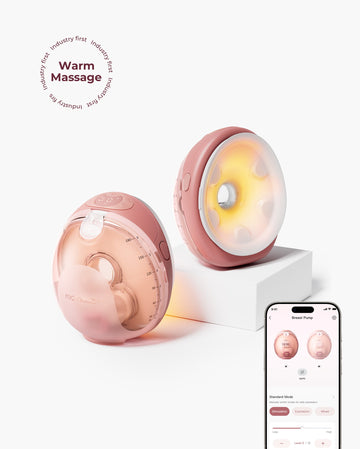
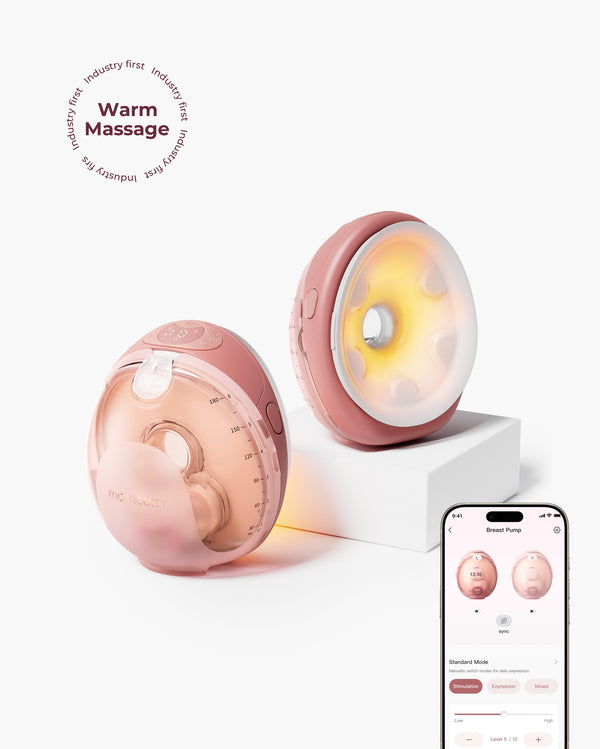
For breastfeeding mothers, Momcozy offers a comprehensive range of feeding solutions, including the Momcozy Wellness 1 Warm-Massage Wearable Breast Pump, Momcozy Mobile Flow™ Hands-Free Breast Pump (M9), Momcozy Mobile Style™ Hands-free Slim Breast Pump l M6, Momcozy M5 Smart Wearable Breast Pump, Momcozy Air 1 Ultra-slim Breast Pump, Momcozy S12 Pro Wearable Breast Pump, as well as Breastmilk Storage Bags, Lactation Massagers and other breastfeeding essentials to help mothers feed with greater confidence and flexibility.

Member price
From$176.59Code Save 5%

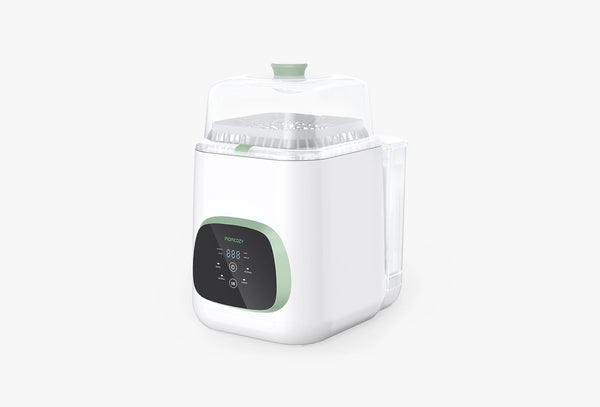
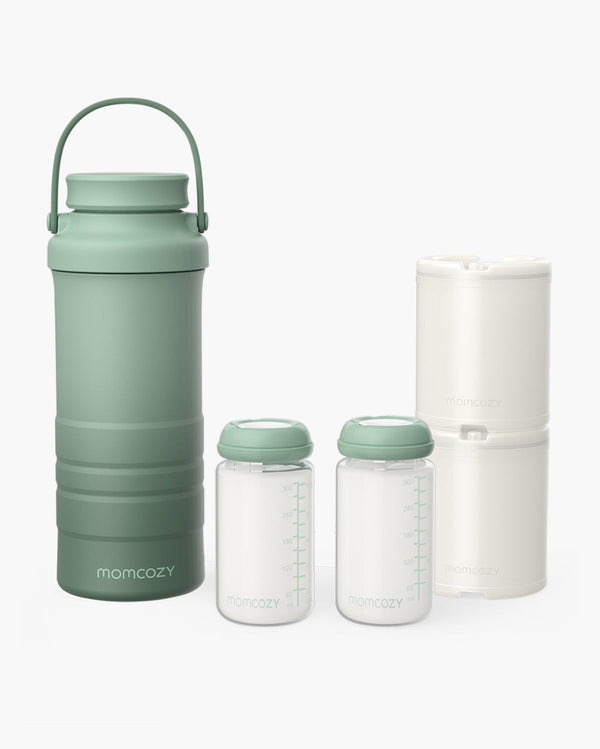
Beyond breastfeeding, Momcozy continues to simplify everyday parenting with products such as the Momcozy KleanPal Pro Baby Bottle Washer and Sterilizer, Momcozy Portable Bottle Warmer, Momcozy Portable Breast Milk Cooler, a range of baby carriers and other thoughtfully designed baby care and parenting essentials that support families as their little ones grow.
Member price
From$431.99Code Save 5%

Member price
From$115.09Code Save 5%
Member price
$129.99Code Save 5%
Supporting mothers goes beyond products alone. Through initiatives like Breathe & Breastfeed, Momcozy partners with healthcare professionals and lactation experts to provide evidence-informed education, while our growing community creates a space where mothers can learn, share experiences and support one another.
Together, our three pillars; onnovative products, expert guidance and community support reflect Momcozy's commitment to helping mothers feel empowered through every feed, every milestone and every little win.
Emotional wellbeing is an essential part of overall health, and for mothers, it becomes even more important during the remarkable transition into parenthood.
While breastfeeding can bring moments of joy, connection and fulfilment, it can also come with challenges, uncertainty and emotional ups and downs. Recognising these experiences, understanding the science behind postpartum changes and building a strong support network can help mothers approach their breastfeeding journey with greater confidence and self-compassion.
This World Breastfeeding Month, let's celebrate not only the act of breastfeeding, but the mothers behind every feed. By supporting their emotional wellbeing through trusted guidance, meaningful community connections and thoughtful innovations, we can help ensure that every mother feels seen, heard and empowered throughout her unique journey.
Frequently Asked Questions (FAQs)
1. Why is emotional wellbeing important during the breastfeeding journey?
Emotional wellbeing plays an important role in helping mothers navigate the physical, emotional and lifestyle changes that come with caring for a newborn. While every breastfeeding journey is unique, feeling emotionally supported can help mothers build confidence, adapt to challenges and establish a feeding routine that works for both themselves and their baby. Caring for a mother's emotional wellbeing is an essential part of supporting her overall health during the postpartum period.
2. Is it normal to experience emotional ups and downs after giving birth?
Yes. After childbirth, mothers experience significant hormonal changes alongside physical recovery, sleep deprivation and the adjustment to caring for a newborn. It is common to experience a wide range of emotions, including happiness, excitement, anxiety, frustration or feeling overwhelmed. These emotional changes are a normal part of the postpartum transition for many mothers.
3. How do hormones affect emotional wellbeing after childbirth?
Following childbirth, levels of oestrogen and progesterone drop rapidly, while hormones such as prolactin and oxytocin help regulate breast milk production and breastfeeding. Combined with physical recovery and lifestyle adjustments, these hormonal changes can contribute to emotional fluctuations during the postpartum period. Understanding these changes can help mothers recognise that many emotional responses are a natural part of recovery.
4. Can stress affect breastfeeding?
Stress does not necessarily reduce milk production, but it may temporarily affect the milk let-down reflex for some mothers, making breastfeeding or pumping feel more difficult. Creating a calm environment, practising relaxation techniques and seeking support from family members or healthcare professionals may help mothers feel more comfortable during feeding or pumping sessions.
5. How can mothers support their emotional wellbeing while breastfeeding?
Small, consistent acts of self-care can make a meaningful difference. Prioritising rest whenever possible, eating nutritious meals, staying hydrated, accepting help from loved ones, connecting with other mothers and seeking professional guidance when needed are all positive ways to support emotional wellbeing throughout the breastfeeding journey.
6. How can partners and family members support a breastfeeding mother emotionally?
Support doesn't always mean helping with feeding. Listening without judgement, encouraging mothers during difficult days, sharing household responsibilities, caring for the baby between feeds and reminding mothers to rest, eat and stay hydrated can all have a positive impact on emotional wellbeing. A strong support network helps mothers feel less isolated and more confident throughout their breastfeeding journey.
7. What should I do if breastfeeding feels more difficult than I expected?
Every breastfeeding journey is different, and challenges such as latching difficulties, establishing milk supply or adjusting to pumping are more common than many mothers realise. Seeking support early from a healthcare professional, lactation consultant or breastfeeding support group can help address concerns and provide reassurance. Remember, asking for help is a sign of strength, not failure.
8. Does returning to work affect emotional wellbeing while breastfeeding?
Returning to work can bring a mix of emotions, from excitement about resuming a career to concerns about maintaining breastfeeding or balancing family responsibilities. Planning a pumping routine, communicating with your employer and using practical breastfeeding solutions can help make the transition more manageable. Most importantly, mothers should remember that there is no single "right" way to balance work and breastfeeding—finding a routine that works for your family is what matters most.
9. When should a mother seek professional support for her emotional wellbeing?
While emotional ups and downs are common after childbirth, mothers should speak to a healthcare professional if feelings of sadness, anxiety, hopelessness or emotional distress become overwhelming, persist for more than two weeks, interfere with daily life or make it difficult to care for themselves or their baby. Early support can make a significant difference, and no mother should feel that she has to face these challenges alone.
10. How does Momcozy support mothers beyond breastfeeding products?

At Momcozy, we believe that supporting mothers goes beyond creating products—it means nurturing confidence, knowledge and connection throughout every stage of motherhood. Our ecosystem combines innovative maternity, breastfeeding and parenting solutions with expert-led educational initiatives such as Breathe & Breastfeed, where mothers can access practical guidance and evidence-informed resources. Together with our growing community of parents, Momcozy is committed to ensuring every mother feels supported, empowered and understood, from pregnancy and postpartum recovery to breastfeeding, returning to work and beyond.


