Navigating the "fourth trimester" in the tropical heat of Singapore or Malaysia requires more than just resilience—it requires a well-structured breastfeeding diet plan. Whether you are a first-time mummy in an HDB/Condo or a seasoned pro managing the household, your nutrition significantly influences your postpartum recovery and your baby’s growth. This comprehensive guide covers everything from crafting the best breastfeeding diet plan to healthy ways to shed the baby weight while ensuring your little one gets the best start in life.
What Foods Should I Eat While Breastfeeding?
A healthy lactation diet is the foundation for a smooth breastfeeding journey, especially when you're balancing the demands of our fast-paced urban lifestyle. Knowing which local foods to favour and which to avoid is crucial for ensuring you and your baby receive optimal nutrients. Let’s explore what to include in your healthy diet to boost breast milk supply while taking care of yourself during this demanding experience.
What to Eat During Breastfeeding?
A well-structured diet for a lactating mother should include a diverse range of whole foods. In our region, we have access to incredible fresh produce at wet markets and supermarkets like NTUC or Jaya Grocer. A diet plan while breastfeeding should comprise:
🤱 What to Eat While Breastfeeding?
For mummies in Singapore and Malaysia, a nutrient-dense diet is key. Choose whole foods available at your local market to support your recovery and baby's growth.
🍗
Local Proteins
2-3 servings daily
Vital for tissue repair. Opt for lean meats and regional fish types.
Best SEA Options:
- Threadfin (Ikan Kurau) or Salmon
- Lean Chicken or Kampung Chicken
- Eggs (Kampung eggs are great!)
- Local Tofu and Tempeh
- Lentils and Mung Beans
🌾
Complex Carbs
Multiple servings daily
Provides the stamina needed for those long MRT commutes and late-night feeds.
Best Options:
- Brown Rice or Red Rice
- Quinoa or Steel-cut Oats
- Wholemeal Bee Hoon
- Sweet Potatoes (Ubi Jaga)
- Whole Wheat Toast
🥗
Vibrant Greens
5+ servings daily
Essential vitamins and minerals for mummies breastfeeding in the tropics.
Best Options:
- Kai Lan and Choy Sum
- Spinach (Bayam)
- Papaya (Green or Ripe)
- Berries and Dragon Fruit
- Broccoli and Carrots
💡 SEA Mummy Tip
Living in Singapore or Malaysia means dealing with extreme humidity. Ensure you are getting enough electrolytes! Coconut water (no added sugar) is a fantastic, natural local option to stay hydrated alongside your 3 litres of water daily.
Which Foods and Drinks Increase Breast Milk?
Boosting milk production through a diet for breastfeeding mothers in Singapore and Malaysia often involves time-tested regional ingredients alongside modern nutritional science:
| Food Category |
Best SEA Options |
Benefits for Milk Supply |
| Traditional Galactagogues |
Green Papaya Soup, Threadfin, Fenugreek tea |
Widely used in local confinement to naturally stimulate milk production. |
| Whole Grains |
Oats, Barley, Brown Rice |
Rich in iron and B vitamins, supporting energy levels for working mummies. |
| Local Vegetables |
Spinach, Kai Lan, Fenugreek leaves |
Provide calcium and phytoestrogens essential for lactation. |
| Fluid Intake |
Warm water, red date tea, fish broth |
Critical for maintaining the fluid volume needed for breast milk. |
Should I Take Vitamins and Nutritional Supplements During Breastfeeding?
While a proper diet for breastfeeding mummies provides most nutrients, certain supplements can be highly beneficial, especially if you spend most of your time in air-conditioned offices or malls with limited sun exposure:
-
Vitamin D: Essential for bone health; consider a supplement if you avoid the midday tropical sun.
-
Vitamin B12: A must-have for those on a vegetarian or vegan breastfeeding diet plan.
-
Omega-3 (DHA): Crucial for your baby’s brain and eye development; look for high-quality fish oil or algae-based options.
-
Iron: Important for recovery after delivery, particularly if you have low haemoglobin levels.
Mummies in Singapore can often use their Child Development Account (CDA) funds at approved pharmacies (like Guardian or Watsons) for certain health-related supplements—do check the latest guidelines!
What Foods and Drinks Should I Limit or Avoid While Breastfeeding?
Maintaining a balanced diet means being mindful of what passes through your milk. While we love our Kopi and Teh, caffeine should be limited to about 200-300mg daily (around 2 cups of Kopi-O) to prevent baby from being irritable. Alcohol requires precise timing; it is best to wait at least 3 hours before nursing. Be cautious with high-mercury fish such as Shark or Swordfish, which are occasionally found in certain regional cuisines. Traditional "cooling" or "heaty" food labels can be confusing—generally, a moderate approach to spicy sambal and durian is advised until you know how your baby reacts. To make your feeding sessions more comfortable during those long afternoons, many mummies use a nursing pillow to reduce strain on the back and shoulders.
How Much to Eat While Breastfeeding?
Determining your calorie needs while nursing in a busy city like Kuala Lumpur or Singapore can be tricky. Your body is working overtime to produce milk, which requires significant energy. Understanding your increased nutritional requirements helps you maintain a good diet for breastfeeding that supports both your supply and your stamina for the return-to-work transition.
Do I Need Extra Calories While Breastfeeding?
A good diet for breastfeeding mummies usually requires an additional 450-500 calories per day during the first six months. This brings the total daily intake to approximately 2,300-2,500 calories. Your needs will vary depending on your activity level—whether you are chasing a toddler in a playground or commuting on the MRT.
If you are looking at a diet plan for breastfeeding mothers to lose weight, please avoid "crash dieting." Dropping calories too sharply can tank your milk supply. Aim for a gradual loss of 0.5kg to 1kg per week. Many mummies find that wearing a Momcozy Postpartum Belly Band for Recovery provides the necessary abdominal support and confidence to stay active while managing their nutrition goals.
Postpartum
Support
Comfort
Effectiveness
How Much Fluid Do I Need While Breastfeeding?
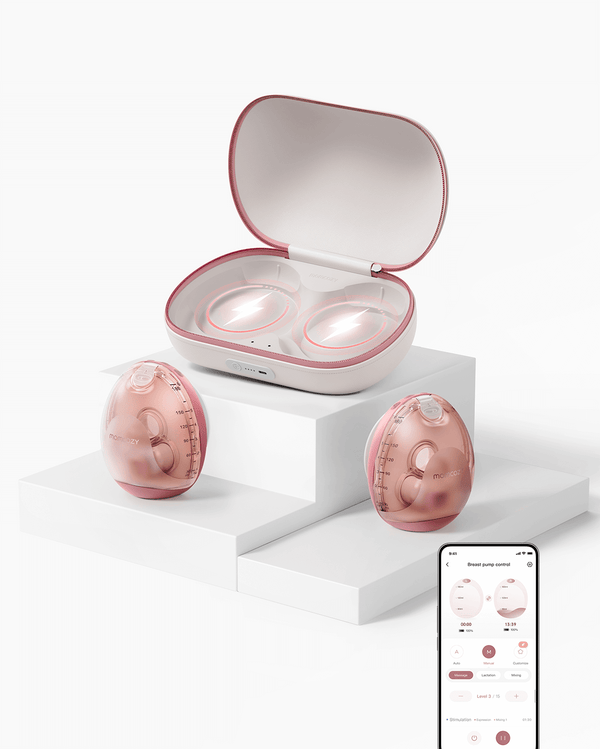
In our sweltering weather, hydration is non-negotiable. While following your healthy breastfeeding diet, aim for at least 13 cups (3.1 litres) of fluids daily. A great habit is to drink a glass of water every time you nurse or pump. Using a hands-free pump like the Momcozy Air 1 Ultra-slim Breast Pump is a game-changer for busy SG/MY mummies, allowing you to stay hydrated and move around the house or office freely while expressing milk. Don't forget water-rich local foods like watermelon or clear soups to help meet your targets.
Ultra-slim
Wireless Charging
Effortless Alignment
Silent & Smart
Sample 7-Day Healthy Diet Plan for Breastfeeding Mums (SG/MY Edition)
This meal chart focuses on local, accessible ingredients to keep your nutrition balanced:
| Day |
Breakfast |
Lunch |
Dinner |
Snacks |
| Mon |
Oatmeal with sliced bananas & walnuts |
Sliced Fish Soup with Bee Hoon (no milk) |
Steamed Threadfin with Ginger & Brown Rice |
Greek yogurt; Papaya slices |
| Tue |
Half-boiled eggs with wholemeal toast |
Chicken Salad with Avocado |
Stir-fried Beef with Broccoli & Quinoa |
Handful of Almonds; Apple |
| Wed |
Wholemeal Thosai with dhal |
Grilled Chicken Chop with Salad |
Green Papaya Soup with Fish & Rice |
Soy milk (less sugar); Walnuts |
| Thu |
Muesli with Berries and Low-fat milk |
Economic Rice (2 greens, 1 steamed fish) |
Lean Minced Chicken Stir-fry with Kai Lan |
Hard-boiled egg; Pear |
| Fri |
Avocado & Poached Egg on Toast |
Soto Ayam (Skinless chicken, less salt) |
Baked Cod with Asparagus |
Cottage cheese; Guava |
| Sat |
Peanut Butter on Wholemeal crackers |
Clear Chicken Soup with Macaroni |
Steamed Tofu with Minced Meat and Veggies |
Low-fat Latte; Trail mix |
| Sun |
Vegetable Omelette with Toast |
Quinoa with Chickpeas and Greens |
Home-cooked Porridge with Threadfin & Ginger |
Dragon fruit; Sunflower seeds |
Can I Have a Vegetarian or Vegan Diet While Breastfeeding?
Absolutely! With many plant-based options available in Singapore and Malaysia, a vegetarian or vegan breastfeeding diet is perfectly safe and nutritious. The key is ensuring you get enough "complete" proteins and essential vitamins. Focus on combining local staples like chickpeas, lentils, and tempeh with fortified cereals and dark leafy greens. Don't forget that B12 and Omega-3 (DHA) supplements are particularly important for plant-based mummies to ensure baby's neurological development stays on track.
Will a Dairy Free Diet Work During Breastfeeding?
If your baby is showing signs of sensitivity or you prefer to avoid dairy, a dairy-free breastfeeding diet is very manageable. Many of our local dishes are naturally dairy-free (just watch out for condensed milk in drinks!). You can get your calcium from fortified soy or oat milk, tahini, almonds, and dark green leafy vegetables. When opting for a lactose-free or dairy-free lifestyle, always read the labels on processed snacks and sauces, as dairy solids can sometimes be hidden in unexpected places.
Is Keto Diet Compatible with Breastfeeding?
The ketogenic diet involves very low carbohydrate intake, which can be challenging during breastfeeding as carbs provide quick energy and support milk volume. If you choose to follow a modified keto or low-carb approach, ensure you are getting plenty of healthy fats from avocados, nuts, and olive oil. It is vital to monitor your milk supply closely; some mummies find their supply dips when carbs are too low. Always consult your GP or a dietitian before starting keto while nursing.
Can I Have Carnivore Diet While Breastfeeding?
The carnivore diet is an extreme elimination diet consisting only of animal products. Most medical professionals in Singapore and Malaysia discourage such restrictive diets during breastfeeding due to the lack of fibre, essential phytonutrients, and antioxidants found in plants. Concerns include digestive issues (constipation is common) and potential nutrient imbalances that could affect the quality of your breast milk. It is much safer to stick to a balanced, inclusive diet until after your baby is fully weaned.
Diet Plan for Breastfeeding Mom to Lose Weight
Many mummies are eager to return to their pre-pregnancy shape, especially before heading back to the office after their 16-week (SG) or 98-day (MY) maternity leave. A postpartum diet plan while breastfeeding should focus on "slow and steady" progress to protect your health and milk supply.
Safe Weight Loss Guidelines
Wait at least 8 weeks postpartum before starting any active weight loss plan. This allows your milk supply to be well-established. Focus on nutrient-dense foods—think of "quality over quantity." Every snack should count towards your nutrition. For mummies returning to light exercise or those who need extra support while out and about, the CoolFit Nursing Bra is excellent for the humid climate, providing the stretch and comfort needed for both nursing and light movement.
Weight Loss Diet Chart for Breastfeeding Mother
This sample daily plan provides approximately 1,850 calories, perfect for gradual loss without compromising your energy:
| Meal Time |
Sample Local Food Items |
| Morning (7 AM) |
1 bowl of oats with 1 tablespoon of flaxseeds and berries. |
| Mid-Morning (10 AM) |
1 small guava or apple with a few walnuts. |
| Lunch (12 PM) |
Grilled chicken breast with a large side of stir-fried Kai Lan and a small portion of brown rice. |
| Afternoon (3:30 PM) |
A small cup of low-sugar Greek yogurt or soy curd (Tau Huay) with no syrup. |
| Dinner (7 PM) |
Steamed fish fillet with ginger, tomatoes, and a side of clear vegetable soup. |
| Evening (9 PM) |
A small handful of baked almonds or a warm cup of red date tea. |
Can You Diet While Breastfeeding?
Yes, provided you follow a "nurture-first" approach:
Do:
- Prioritise whole, unprocessed foods.
- Keep your calorie deficit small (no more than 500 calories below maintenance).
- Include regular, gentle movement like walking in the park or prenatal/postnatal yoga.
- Stay hydrated with at least 3 litres of water.
- Use Seamless Tummy Shapewear Shorts for gentle, comfortable support under your work clothes.
Don't:
- Follow "detox" teas or meal replacement shakes not approved by a doctor.
- Skip meals, as this can cause blood sugar crashes and fatigue.
- Push yourself too hard with high-intensity workouts too soon.
- Ignore signs of a dipping milk supply or extreme exhaustion.
Low Carb Diet While Breastfeeding
A moderate low-carb diet (100-150g of carbs daily) is usually safe for nursing mummies. Instead of refined white rice or noodles, choose complex carbs like sweet potatoes, oats, or pulses. This helps keep your energy stable throughout the day without the "sugar crash" that comes from hawker-style refined carbs. Always listen to your body; if you feel faint or your supply drops, increase your healthy carb intake slightly.
FAQs for SG & MY Mummies
Q1. Can my baby have a reaction to the spicy food I eat?
While many mummies in our region eat spicy food without issues, some babies might be sensitive to strong flavours or certain spices in your breast milk. If you notice your baby is unusually gassy or fussy after you've had a particularly spicy sambal, try cutting back for a few days to see if their symptoms improve. Keeping a simple food diary can help you spot any patterns.
Q2. Can I use my Baby Bonus or CDA for breastfeeding nutrition?
In Singapore, while the CDA (Child Development Account) is primarily for the child’s expenses, it can often be used for healthcare and pharmacy purchases at approved institutions. This may include vitamins or supplements prescribed for your health as a breastfeeding mother—check with your CDA-approved provider for specifics!
Q3. Does drinking cold water really reduce milk supply?
This is a common myth in local confinement traditions. Scientifically, the temperature of the water you drink does not affect the temperature or volume of your breast milk. However, staying hydrated is essential. If you prefer warm water or red date tea because it makes you feel more comfortable, go for it! The most important thing is that you are drinking enough fluids.
Building Your Perfect Breastfeeding Nutrition Plan
Your breastfeeding journey is unique, and your diet should reflect that. Whether you are following a traditional confinement-style diet with threadfin and papaya soup, or a modern, plant-based plan, the goal remains the same: nourishing yourself so you can nourish your baby. By focusing on whole foods, staying hydrated in our tropical heat, and using supportive tools like the right pump or nursing bra, you can navigate this phase with confidence and grace. Remember, a happy, well-fed mummy makes for a thriving baby!