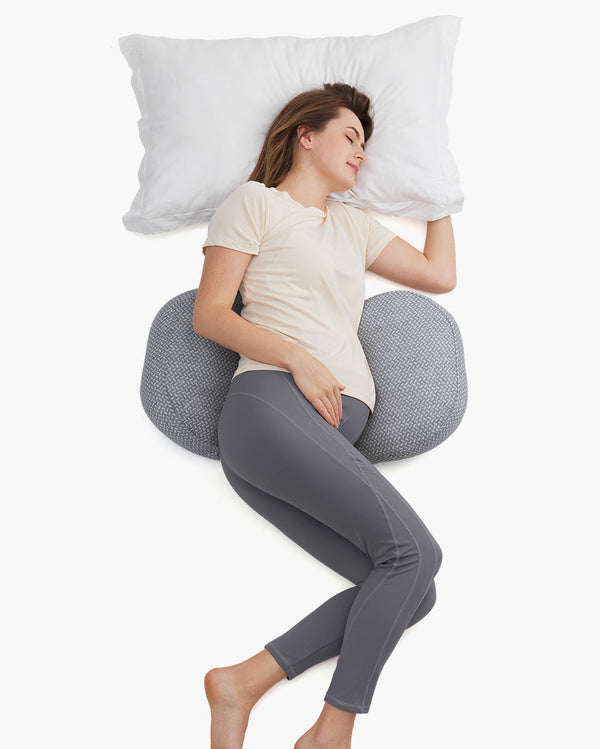
Mastering the best way to sleep after a C-section is more than just a luxury—it is a fundamental pillar of your postnatal recovery. For many new mummies in Singapore and Malaysia, the sharp sting of a surgical incision can make those first few weeks at home in your HDB or Condo feel incredibly daunting. Finding the right posture does not only mitigate acute pain but also safeguards your stitches and accelerates your journey back to full strength. Quality rest is the fuel you need to manage your new-born while navigating the emotional highs and lows of motherhood. From ergonomic positioning to local recovery hacks, here is your comprehensive guide to reclaiming your rest after a Caesarean birth.
Why is Optimising Sleep Crucial for Post-Caesarean Healing?
Undergoing a C-section is major abdominal surgery, and your body requires a strategic rest plan to repair itself. In the tropical heat of Southeast Asia, where we often fluctuate between humid outdoors and chilled air-conditioned rooms, restorative sleep acts as a biological "reset," reducing inflammation and boosting the immune response essential for wound closure.
SEA Mummy Tip: In Singapore, make the most of your 16-week MOM maternity leave by synchronising your rest with your baby. If you are in Malaysia, check your private medical insurance or SOCSO (PERKESO) coverage for potential home-nursing support during these critical weeks.
Accelerating Physical Tissue Repair
During deep slumber, the body enters a peak state of cellular regeneration. For post-op mummies, this is when growth hormones work hardest to heal your C-section wound effectively. Maintaining a consistent sleep schedule helps the layers of abdominal muscle knit back together, ensuring your scar heals without excessive tension or complications. Clinical data suggests that well-rested patients often experience fewer post-surgical hurdles compared to those who are sleep-deprived.
Effective Natural Pain Modulation
There is a direct correlation between exhaustion and pain sensitivity. When you lack sleep after a C-section, your brain’s threshold for discomfort lowers, making your incision feel more sensitive. By prioritising high-quality rest, you can naturally regulate your pain levels and potentially reduce your reliance on heavy analgesics. It is a virtuous cycle: better sleep leads to a more manageable recovery, which in turn facilitates deeper rest.
Protecting Your Postnatal Mental Health
The "Baby Blues" can be intensified by the physical trauma of surgery. Sufficient rest is the best defence against postpartum anxiety and mood swings. It provides the emotional resilience needed to bond with your little one and handle the steep learning curve of new motherhood. A rested mind processes stress more efficiently, which is vital for your long-term mental well-being.
Sustaining Energy for New-born Demands
Taking care of a newborn while recovering from surgery is an Olympic-level feat. Whether you are breastfeeding or bottle-feeding, your energy reserves are constantly taxed. Leveraging short, high-quality sleep intervals—especially between those 3:00 AM feeds—is essential for keeping your stamina high and your milk supply stable.
What Makes Sleep After a C-Section So Challenging?
Many SEA mummies find the transition from hospital to home difficult due to the unique layout of urban living and the physical constraints of the surgery. Understanding the barriers to rest is the first step in overcoming them.
Surgical Incision Sensitivity
The primary hurdle is the abdominal cut, which can cause sharp pain during simple movements like turning or deep breathing. In the first fortnight, even a sneeze or a laugh can feel like a setback. This makes finding a "safe" position in bed feel like a puzzle, often leading to restless nights and fear of moving.
Medication and Physiological Side Effects
Post-op medications, while necessary, can sometimes disrupt your natural circadian rhythm. You might find yourself feeling groggy during the day but wide awake at night. Some mummies also report vivid dreams or sudden wakefulness as the effects of the hospital-grade pain relief wear off.
Hormonal Fluctuations and Night Sweats
Following delivery, your levels of oestrogen and progesterone plummet. In our humid climate, this often manifests as intense night sweats. Waking up in damp sheets while dealing with surgical pain is a recipe for discomfort, making it essential to use breathable bedding and maintain a cool room temperature.
The 2-Hour Feeding Cycle
New-borns do not respect recovery schedules. The constant need for feeding and nappy changes means your sleep is fragmented. Navigating the height of a standard bed or a low sofa in a small HDB flat can put unnecessary strain on your core every time you get up to tend to your baby.
Postpartum Stress and "Mum-Guilt"
Anxiety about your recovery speed or your baby's health can keep your mind racing. The pressure to "bounce back" quickly to handle household chores or return to work can create a stress cycle that prevents the very rest your body needs to heal.
How Can Mummies Master the Art of Restful Sleep Post-Surgery?
Strategic planning and the right tools can transform your recovery experience. It’s about working smarter, not harder, to ensure every minute of sleep counts.
Engineering a Recovery-Friendly Sleep Zone
Your bedroom should be your sanctuary. Given the space constraints of city living, choosing versatile support is key. The Momcozy Pregnancy Pillow is a game-changer for C-section recovery. It provides targeted cushioning for your back and hips without taking up the entire bed, which is perfect for Queen-sized mattresses common in SG and MY. Keeping a "recovery caddy" with water, meds, and a power bank within arm's reach ensures you don't have to twist or strain to reach essentials.
Don't wait for the pain to become unbearable. Time your doctor-prescribed medication so it peaks right when you plan to sleep. For a non-drug alternative to soothe the area, a cloth-wrapped cold pack can help reduce the "burning" sensation around the incision before you settle in for the night.
Gentle Pre-Sleep Circulatory Exercises
Stagnation leads to stiffness. Before lying down, try very gentle "bed yoga"—simple neck stretches or ankle circles. This encourages blood flow and prevents the deep vein thrombosis (DVT) risks associated with post-surgery immobility, without putting a single ounce of pressure on your stomach.
The Power of a Night-Time Support System
In many SEA households, confinement nannies or family members are present. Coordinate a "tag-team" schedule. While your partner handles the nappy changes, you can focus on the feeding and then immediately return to sleep. The Momcozy Smart Baby Sound Machine is excellent here; its soft light allows for middle-of-the-night checks without the harshness of a fluorescent ceiling light that would fully wake your brain.
Which Sleeping Positions Provide the Best Relief After a C-Section?
Gravity and alignment are your best friends during recovery. Choosing a posture that offloads the weight from your incision is vital for how to sleep after a c section safely.
The "Log" Style: Back Sleeping with Elevation
Lying on your back is often the safest bet immediately after leaving the ward. However, lying completely flat can stretch the incision. Use a pregnancy pillow under your knees. This slight bend in your legs relaxes the abdominal wall and takes the "pull" off your stitches.
If you prefer sleeping on your side, the left side is often recommended to optimise blood flow. Place a firm pillow between your knees to keep your pelvis neutral. A smaller "wedge" pillow tucked under your belly can prevent the incision area from sagging or stretching due to gravity.
The Recliner Approach: Semi-Upright Rest
Many mummies find that sleeping at a 45-degree angle is the most comfortable for the first week. If you don't have a recliner chair, use a stack of pillows to create a ramp. This position makes it much easier to transition to a standing position for those frequent bathroom trips or baby cries.
Avoiding Direct Abdominal Pressure
While you might miss sleeping on your tummy, avoid this until your 6-week check-up. If you absolutely cannot sleep any other way, use a "half-tilt" position with a long pillow supporting one side of your body, ensuring the incision itself isn't bearing any weight.
How Long Should You Prioritise Intensive Rest?
Recovery is a marathon, not a sprint. While the initial "acute" phase lasts about 6 weeks, your internal tissues may take up to six months to fully regain their tensile strength.
The First 14 Days: Total Protective Mode
This is when you should be most disciplined. Focus entirely on healing and feeding. In Singapore, use your CDA (Child Development Account) funds for quality postpartum essentials or a confinement meal service to ensure you aren't standing in the kitchen when you should be resting.
Weeks 3 to 6: The Transition Phase
You can start taking short strolls around your local park or HDB void deck. Movement is good, but "overdoing it" is the number one cause of set-backs. If you feel a "tugging" sensation, it’s your body's way of telling you to go back to bed.
Beyond the 6-Week Check-Up
Even once your gynae gives you the "green light" to resume exercise, be cautious. Avoid heavy lifting (anything heavier than your baby) and high-impact sports. Remember, internal healing continues long after the external scar looks "fine."
Local FAQ: Sleeping and Recovery in Singapore & Malaysia
Q1: How do I get out of bed without hurting my stitches?
Use the "Log Roll" technique: roll onto your side as one unit, then use your arms to push your upper body up while your legs swing down to the floor. Never try to do a "sit-up" from a flat position, as this directly strains the abdominal incision.
Q2: Is it okay to use a traditional "Bengkung" or binder while sleeping?
Many mummies in Malaysia and Singapore use abdominal binders. While these can provide support, ensure they are not too tight during sleep. A soft, medical-grade binder can help "hold" the incision in place while you turn, but always consult your doctor first.
Q3: Does the humid SEA weather affect my C-section scar healing?
Yes, excessive moisture can lead to irritation or fungal infections near the fold of the incision. Ensure you dry the area thoroughly after a shower and sleep in a well-ventilated or air-conditioned room to keep the wound site dry and cool.
Q4: Can I use a nursing pillow for extra sleep support?
Definitely. Nursing pillows are not just for feeding; their firm U-shape makes them excellent for propping up your knees or protecting your belly from a restless toddler or pet while you nap.
Conclusion: Your Path to a Pain-Free Night
Finding comfort after a Caesarean birth is a journey of trial and error. By prioritising the best way to sleep after a c section, you are investing in a faster, smoother recovery. Whether you are propped up with a specialised pillow in a Singapore condo or following traditional confinement rest in Malaysia, remember that your health is the foundation of your baby's well-being. Be patient, listen to your body, and don't hesitate to reach out to your healthcare provider if pain persists. Sleep well, Mummy—you’ve earned it.
Disclaimer
The information provided in this article is for general informational purposes only and does not constitute medical advice, diagnosis, or treatment. Always seek the advice of your physician or other qualified health provider regarding any medical condition. Momcozy is not responsible for any consequences arising from the use of this content.