


Table of Contents
Many new mummies in Singapore and Malaysia often feel a bit anxious when they notice their expressed "liquid gold" looks a little thin or transparent. You might find your milk looking creamy one morning and surprisingly watery the next session, leading you to wonder: "Is my breast milk watery because I'm lacking nutrients?" or "Will my baby still gain weight on this?" Understanding the science behind your milk's appearance—and how our tropical lifestyle affects it—can provide much-needed peace of mind.

Before you worry about your supply, remember that breast milk is a dynamic fluid that adapts to your little one's needs. While it may look thin at the start of a session, it remains a nutritional powerhouse. Let’s explore the factors that dictate the texture of your milk and why "thin" milk is just as essential as the thick, creamy layers.
SEA Mummy Tip: In our humid 32°C weather, your body naturally adjusts. If you’ve been out running errands in Orchard Road or the local pasar malam, your milk might temporarily appear more watery to help keep your baby hydrated!
Is Your Breast Milk Watery?
It is perfectly normal for breast milk to appear thin, bluish, or watery, particularly during the initial minutes of a feed. For many Mummies, this visual difference triggers a fear that their milk is "low quality." However, breast milk is designed to change its biological makeup based on the time of day, the climate, and even your baby's health status. The consistency is rarely a reflection of your ability to nourish; rather, it's a sign of your body's incredible efficiency.

Why is My Breast Milk Watery, Thin, and Clear?
Breastmilk that appears clear or watery is usually "foremilk." This is the milk stored in the ducts near the nipple, ready to provide immediate hydration. Think of it as a refreshing drink of water for your baby before the main course. As the feeding progresses, the milk transitions into "hindmilk," which is denser in fats. Here are three localized reasons why your milk might seem particularly watery:

- The Foremilk-Hindmilk Dynamic
Your body produces two types of mature milk in one sitting. Foremilk is high in volume and lactose, serving as a thirst-quencher—vital for babies living in the heat of Kuala Lumpur or Singapore. Hindmilk, released later, is the "weight-gain milk" packed with healthy fats. If a baby has a "snacker" habit—taking short sips and falling asleep quickly—they might only be getting the foremilk. Using a nursing pillow can help you sustain a longer, more comfortable latch in your air-conditioned HDB or Condo, ensuring your baby reaches the calorie-dense hindmilk. If you struggle with persistent engorgement, seeking advice from a local lactation consultant (often covered by some corporate insurance in SG) can help balance this flow.
| Feature | Foremilk | Hindmilk |
| Appearance | Thin, watery, sometimes bluish | Creamy, white, or yellowish |
| Availability | Start of the session | Towards the end of the session |
| Primary Goal | Hydration and brain energy (lactose) | Satiety, growth, and weight gain |
| Nutrient Mix | Higher lactose, lower fat | Higher fat, high calories |
- Your Personal Hydration Levels
Living in the tropics means we lose a lot of fluids through perspiration. If you are dehydrated, your body might prioritise the water content in your milk to ensure your baby doesn't suffer from the heat. Conversely, over-drinking (forcing yourself to drink 5-6 litres a day) won't necessarily "make more milk," but it can sometimes slightly alter the immediate appearance of your foremilk. Moderation is key—drink to thirst, especially if you spend a lot of time outdoors or commuting via MRT.
- Local Dietary Habits
While the "confinement diet" in Singapore and Malaysia is often rich in soups and ginger, a lack of healthy fats can affect the visual creaminess of your milk. If your meals are predominantly water-based without enough lipids, the milk may appear thinner. Including healthy fats like Salmon, avocado, or local sources like walnuts and ikan bilis can enrich your milk quality. Omega-3 fatty acids are particularly beneficial for your baby's brain development during those crucial first months.

SEA Mummy Tip: Don't forget your confinement soups! Traditional fish soup with papaya is a local favourite believed to boost supply and "thicken" the milk, though science suggests it's mostly about the great hydration and protein!
What Determines the Thickness of Your Breast Milk?
Several factors influence whether your expressed milk looks like skimmed milk or full-cream milk:
- The "Emptying" Factor: The emptier your breast is, the higher the fat concentration. Fat globules tend to stick to the walls of the milk ducts; as the breast empties, these globules are dislodged into the milk.
- Frequency of Expression: Frequent pumping or nursing sessions mean the milk doesn't sit in the ducts for long. This actually increases the fat content per ml because the breast stays in a "less full" state, where fat concentration is highest.
- Storage and Temperature: Research indicates that the process of freezing and thawing can sometimes break down fat molecules, making stored milk appear more separated or thinner than fresh milk.
Is Watery Breastmilk Still Good for Your Baby?
Absolutely! Watery-looking milk is still a nutritional miracle. Do not be fooled by the transparent appearance; foremilk is rich in protein and lactose, which are essential for your baby's energy levels and neurological development. It is the perfect "starter" that ensures your baby isn't thirsty before they get to the filling hindmilk.
A healthy baby needs a balance of both. The foremilk provides the volume and hydration (critical in our SG/MY climate), while the hindmilk provides the calories for growth. As long as your baby is hitting their weight milestones and producing enough wet nappies, your milk is doing its job perfectly.
How to Fix Watery Breastmilk When Pumping and Breastfeeding?
If you’re concerned that your baby is getting too much "watery" milk and not enough "fatty" milk, try these practical adjustments tailored for the busy SEA Mummy:

- Finish the First Side First
Avoid switching breasts too quickly. Allow your baby to fully drain one side so they reach the rich hindmilk. If you are pumping at the office, ensure you continue for a few minutes after the last drops to "pull" the creamier milk out.
- The "Breast Massage" Technique
Whether you're nursing or using a pump, gentle breast compressions can help move the fat globules into the milk stream. Start from the chest wall and move towards the nipple.
- Optimise Your Pumping Routine
Pumping more frequently but for shorter durations can often lead to a higher overall fat percentage. Since the breast is rarely "full," the fat concentration stays consistently higher.
Tips for Mummies using pumps:
- Use a reliable wearable breast pump, such as the Momcozy M9. Its customisable suction modes are excellent for mimicking a baby's deep suck, which helps trigger the release of fatty milk.
- Massage your breasts gently during your "pump break" at work.
- If you have a heavy let-down, try expressing the first 10-20ml (the most watery part) before latching your baby.


From $230.99 SGD
High Efficiency
Expert-Tuned Rhythms
APP Control
Long Battery

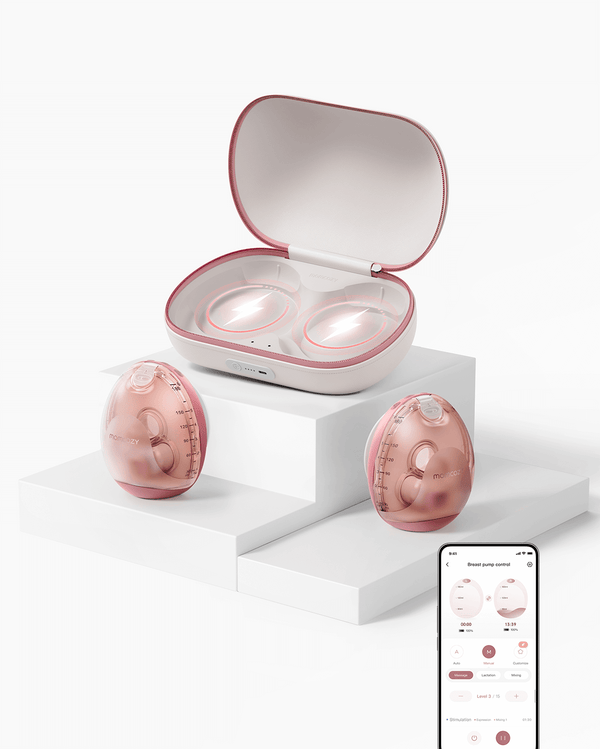
$532.99 SGD
Ultra-slim
Wireless Charging
Effortless Alignment
Silent & Smart
- Incorporate Healthy Fats into Your Meals
Include local "superfoods" like walnuts, salmon, and coconut oil in your diet. While this doesn't change the total amount of fat, it can improve the *type* of fats in your milk, which is vital for your baby's development.
- Watch Your Fluid Intake
Stay hydrated with water or isotonic drinks, but don't overdo it to the point of discomfort. Balance is the key to maintaining a steady, nutrient-dense supply.
SEA Mummy Tip: For working mummies in SG/MY returning after 16 weeks of maternity leave, using a hands-free pump allows you to "power pump" during your commute or at your desk, which is a great way to thicken your expressed milk supply!
Is Breastmilk Separating Normal?
Yes, it is 100% normal for breast milk to separate into layers! Breast milk is not homogenised like the cow's milk you buy at the supermarket. When left in a bottle or storage bag in the fridge, the fat (the cream) will naturally rise to the top, leaving a more watery layer at the bottom. This doesn't mean the milk has "gone bad." Simply give the container a gentle swirl (don't shake vigorously) to reintegrate the layers before feeding.

FAQs
Q1: Is it normal for my milk to look transparent like water?
Yes, especially at the start of a session. Breast milk is roughly 90% water. In our hot climate, this transparent foremilk is essential for keeping your baby hydrated. As the session continues, it will turn more opaque and creamy.
Q2: Why is my expressed milk watery on only one side?
This usually happens if one breast has a higher capacity or isn't being drained as frequently as the other. Fuller breasts tend to have a higher proportion of foremilk. Try to encourage your baby to feed longer on that side or use a pump to ensure it's fully emptied.
Q3: Does the SG/MY heat make my breast milk more watery?
Anecdotally, yes! Your body is smart. On very hot days, your milk may increase its water content slightly to ensure your baby doesn't get dehydrated, which is a common concern for mummies in Southeast Asia.
Q4: My baby is 4 months old, and I'm returning to work in SG. Will my frozen milk be too watery?
Frozen milk often separates significantly once thawed, which can make it look "thinner" than it actually is. As long as you swirl the fat layer back in and your baby is happy, the nutritional value remains excellent.
Conclusion
In summary, seeing watery breast milk is rarely a cause for concern—it is simply your body's way of providing the necessary hydration and nutrients for your baby's current needs. By understanding the balance of foremilk and hindmilk and adjusting your pumping or feeding habits, you can ensure your little one grows healthy and strong. If you are ever worried about weight gain or have specific questions about your milk's appearance, don't hesitate to consult a local lactation expert or a paediatrician in Singapore or Malaysia for personalised guidance.


