Starting your journey as a new mummy in a bustling city like Singapore or Kuala Lumpur is an incredible milestone, yet it can be physically and mentally taxing. Between the sleepless nights and navigating the humid tropical weather, coming down with a cold, flu, or a nasty virus is the last thing you need. When you’re "sick with a newborn," it often feels like the world is crashing down—especially when you’re worried about passing germs to your little one or struggling with exhaustion. But here is the good news: most mummies in our region bounce back quickly with the right local support and a few smart adjustments to their routine.
Can I Still Breastfeed When Sick?
In short, yes. Breast milk is perfectly safe to give, and it is usually highly encouraged to continue nursing while you are unwell. Whether it’s a common cold, a stomach bug, or a mild flu, breastfeeding actually helps shield your baby from infection. As your body works to fight the illness, it produces specific antibodies that are passed directly to your baby through your milk. This natural "immune boost" can prevent your little one from falling ill or significantly reduce the severity if they do catch it.
However, in very rare circumstances involving serious conditions (such as HIV, active tuberculosis, or herpes lesions on the breast), you may need to pause. If you are ever in doubt, a quick trip to your local Polyclinic or private paediatrician is always a wise move.
SEA Mummy Tip: In our humid climate, staying hydrated is vital when you have a fever. While many local elders might suggest "cooling" herbal teas, stick to plenty of water or coconut water to keep your milk supply steady while your body recovers.
Is It OK to Take Medicines While Breastfeeding?
Yes, most common medications are safe, but it is essential to be selective. In Singapore and Malaysia, you can easily consult a pharmacist at Watsons or Guardian, or speak to your GP. Many over-the-counter and prescription drugs have a very low transfer rate into breast milk and are considered safe for your infant.
Always follow your doctor’s advice. Here is a guide to commonly used medicines in our region that are generally considered breastfeeding-friendly:
Pain and Fever Relievers
- Paracetamol (widely known as Panadol in SG/MY)—the standard choice for fever and aches.
- Ibuprofen (such as Nurofen or Advil).
- Naproxen sodium—best used only for short durations.
Antimicrobial and Anti-fungal Medications
- Fluconazole—often prescribed for fungal infections.
- Miconazole or Clotrimazole (Canesten)—safe for topical use in small amounts.
- Common antibiotics like Penicillins (Amoxicillin) and Cephalosporins (Cephalexin) are generally safe.
Antihistamines (For those "haze" or allergy days)
- Loratadine (Claritin)
- Fexofenadine (Allegra)
Decongestants
- Be careful with Pseudoephedrine (often found in "D" versions of cold meds), as it can sometimes dip your milk supply.
- A saline nasal spray (like Sterimar) is a brilliant, drug-free alternative to clear your nose.
SEA Mummy Tip: If you are heading to a GP in Malaysia, check if your SOCSO (PERKESO) or company insurance covers the visit. In Singapore, remember you can use your Baby Bonus CDA funds for your child’s related expenses, though for yourself, a CHAS card might offer better subsidies at participating clinics.
What if I Have to Go Into the Hospital?
Whether you are at KKH, Mount Alvernia, or a private hospital in Bangsar, modern hospitals are very supportive of breastfeeding mummies. They can provide hospital-grade pumps and storage facilities for your milk, or even arrange for your baby to be brought in for supervised feeds if your condition allows.
If you must take a break from direct nursing, expressing milk every 3-4 hours is key to maintaining your supply and avoiding painful blocked ducts or mastitis. Lean on your confinement nanny or partner to handle the bottle-feeding while you focus on resting in the ward.
How to feed the baby while in the hospital?
When you are too weak to hold the baby or need a safer way to express milk while recovering in the ward, these tools are game-changers:
- The Momcozy M5 Smart Wearable Breast Pump is perfect for the hospital setting. It’s discreet, hands-free, and can be tucked right into your nursing bra, allowing you to pump while you rest or even during a doctor's consultation. With the app control, you can track your sessions without fussing with buttons.
- For a lightweight and comfortable experience, the Momcozy M9 Mobile Flow provides effortless milk expression, which is vital when you are low on energy.
High Efficiency
Expert-Tuned Rhythms
APP Control
Long Battery
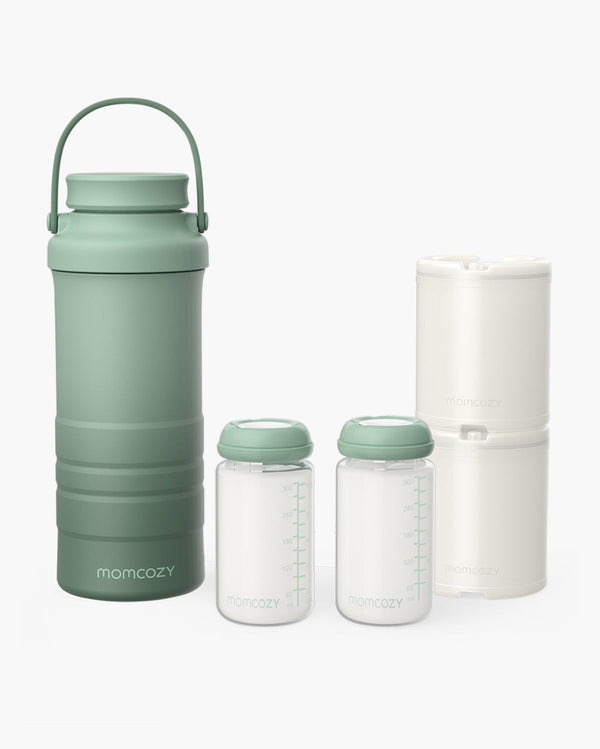
- A Portable Breast Milk Cooler for Outdoor Use: Essential for transporting your expressed "liquid gold" from the hospital back home safely. Its leak-proof design ensures every drop is protected.
Portable
Large Capacity
24-Hour Cooling
Warmer & Cooler Set
Breast Milk & Water
Large Capacity
-
Superfast Portable Breast Milk & Water Warmer: Ideal for your partner or nanny to warm up milk quickly at the bedside without needing to head to the pantry.
Breast Milk & Water
Fast Heating
Long Battery
Warmer & Cooler Set
Breast Milk & Water
Large Capacity
How to Keep an Infant Healthy When Mom is Sick
Protecting your newborn is your top priority when you’re feeling under the weather. By practicing good hygiene and using the right tools, you can significantly minimize the risk of spreading germs in your home.
Minimize direct contact
While you can’t stay away from your baby entirely, especially if you are the primary caregiver, you can be cautious:
- Wear a surgical mask (very common and accepted in SG/MY) when nursing or carrying your baby to catch respiratory droplets.
- Wash your hands with soap for at least 20 seconds before touching any pump parts or bottles.
- Avoid kissing your baby’s face or hands while you have symptoms.
- Sneeze or cough into a tissue and dispose of it immediately.
- Use a clean "receiving blanket" as a barrier when holding your baby skin-to-skin.
Always Sterilise or Clean Feeding Tools
In our humid climate, bacteria can multiply quickly. Being sick means you need to be extra vigilant. The Momcozy KleanPal Pro Baby Bottle Washer is a lifesaver here—it washes, sterilises with steam, and dries your bottles and pump parts automatically, saving you from standing over a hot sink when you have a fever.
Bottle Washer
Sterilizer & Dryer
Washes More Than Just Bottles
4-in-1 Design
Smart Drying
Thorough Wash
For night feeds when you’re feeling weak, the Momcozy NightPro Baby Bottle Warmer is a must-have for the bedside. It warms milk in just 3 minutes, preserving those precious antibodies you are producing, while the soft nightlight ensures you don't have to strain your eyes in the dark.
To ensure a truly germ-free environment, the Momcozy DeepClean Baby Bottle Washer (D8) uses medical-grade sterilisation to eliminate 99.99% of viruses. It’s the ultimate "peace of mind" tool for a sick mummy.
SEA Mummy Tip: In Singapore and Malaysia, mold can grow quickly in damp areas. Ensure your steriliser has a thorough drying function to keep everything bone-dry and safe from tropical bacteria.
When to Call the Doctor
Don't try to "tahan" (endure) it if you are feeling really poorly. Seek medical help if you experience:
- A fever exceeding 38.3°C (101°F).
- Any difficulty breathing or chest tightness.
- Signs of dehydration, such as dark urine or extreme thirst (especially if vomiting).
- Symptoms that worsen after 3-4 days.
Similarly, call your paediatrician immediately if your baby shows:
- Poor feeding or refusal to nurse.
- A rectal temperature of 38°C or higher (for babies under 3 months).
- Extreme lethargy or unusual fussiness.
- Vomiting or frequent watery stools.
Should I Breastfeed My Sick Infant?
Absolutely. Breast milk is the best "medicine" for a sick baby. It provides hydration, essential nutrients, and targeted antibodies that help their tiny bodies fight off the bug. Even if they are fussy, offer the breast frequently—smaller, more frequent feeds might be easier for them to manage than one big session.
What If My Infant Seems Too Unwell to Breastfeed
If your baby is struggling due to nasal congestion or weakness:
-
Use a nasal aspirator with a drop of saline to clear their nose before a feed.
- If they can't latch, offer expressed milk via a bottle or even a small syringe.
- Try lots of skin-to-skin contact in a cool, air-conditioned room to soothe them.
How to Care for Your Sick Infant
Caring for a sick infant while you are also unwell is one of the toughest parts of motherhood. Here’s how to manage:
- Monitor their hydration closely. Check for at least 6 heavy wet nappies a day.
- Use a cool-mist humidifier to help with the dry air caused by 24/7 air-conditioning.
- Keep the room at a comfortable temperature (around 24-25°C is usually ideal for SG/MY homes).
- If you need to move around the condo or head to the clinic, a stroller can provide a secure, comfortable place for your baby while you manage your own fatigue.
SEA Mummy Tip: If your baby is feverish, dress them in light, breathable cotton (like a thin onesie) rather than traditional heavy swaddles to prevent overheating in our climate.
FAQ
Will my newborn catch a cold from me?
It is possible, but not inevitable. Because you are breastfeeding, you are already giving them a head start with antibodies. Strict handwashing and wearing a mask are your best bets for prevention.
Can I take care of my baby if I'm sick?
Yes, but listen to your body. If you’re feeling faint, ask your husband, parents, or confinement nanny to take over the nappy changes and soothing so you can sleep between feeds.
What happens to a newborn baby if the mother has a fever?
A fever itself doesn't typically harm your baby or your milk, but it can make you very dehydrated, which might temporarily lower your supply. Keep up with your fluids and rest. If your fever is dangerously high, seek medical attention immediately.
Conclusion
Being a sick mummy is a temporary hurdle, not a reflection of your ability to care for your child. In our supportive Southeast Asian communities, there is no shame in asking for help—whether that's from family or using smart technology to lighten the load. Be kind to yourself, stay hydrated, and remember: you’re doing a brilliant job, even on the days you’re sniffing and sneezing. You’ll be back to your "Super Mummy" self in no time!