While most people see breastfeeding as a time for mother and baby to bond peacefully, it can feel more like wrestling with an annoyed infant who can’t seem to get themselves together. In the hustle of a Singaporean household, you may feel confused, anxious, and even angry when your baby keeps pulling off breast and relatching. This cycle of latching, crying, and pulling away is a common hurdle, but understanding the "why" is the first step to a calmer feed.
This stage is more common than one would assume. Even though it might leave mummies confused regarding what they might be doing wrong, many babies go through periods of fussiness. Whether you are navigating your 16-week MOM maternity leave or transitioning back to the office, distinguishing between a temporary nursing strike and a manageable flow issue is critical.
Does the Baby Keep Pulling Off Breast and Relatching Making You Crazy?
Chances are, you’ve been through several feeding sessions marked by tugging, fussing, and more unlatching than actual nursing. It’s tiring—especially when you're trying to manage a quick feed before an MRT commute or during a short break at work.
Relax, this behaviour is mostly harmless. There are many reasons why babies may unlatch, and it doesn’t indicate any wrongdoing on your part. Often, a few tweaks like changing position, adjusting the milk flow, or limiting distractions in your HDB or Condo environment are all that’s needed.
Is It Normal for My Baby to Keep Pulling Off and Relatching?
In most instances, this behaviour is typical—especially during developmental leaps. Many infants go through a phase where they latch and unlatch several times. They are responding to their surroundings; as their brains develop, they become much more aware of the world around them.
For instance, your child may nurse more often during growth spurts or appear easily frustrated. Teething might cause discomfort in their gums, making them pull away unexpectedly. In Singapore’s urban environment, even the whir of a standing fan or the bright lights of a shopping mall can be unusually interesting to a developing baby.
According to the WHO, these early months are complex, and your baby's restlessness is not a reflection of your parenting skills.
SG Mummy Tip: If you are breastfeeding in public places like Jewel Changi or Takashimaya, the high-sensory environment can trigger this "pull and latch" behaviour. Try using a breathable nursing cover to create a "private bubble" for your little one.
Why Baby Keeps Pulling Off Breast and Relatching
If your child keeps pulling away and then latching back on, you are not alone. It can be exasperating, but gaining insight into the underlying reasons is the best approach.
Fast or slow milk flow
A strong letdown can cause a baby to pull away to escape overwhelming gushes of milk. Conversely, if the flow is too slow, they may become frustrated and relatch repeatedly to try and "reset" the flow.
Distractions
By two to three months, babies are highly alert. A sudden noise from the TV, a sibling playing nearby, or even the hum of a strong air conditioner can sidetrack them.
Growth spurts
Common at 6 weeks and 3 months, these spurts make babies hungrier but also more prone to fussing at the breast as they demand more milk than the breast might immediately provide.
Gum or mouth discomfort
Early teething or mild thrush can make the physical act of sucking uncomfortable. They want to nurse for comfort but pull away when the sensation becomes too much.
Gas or reflux
If your little one appears rigid or tearful, it might be trapped wind. Singapore’s humid weather can sometimes lead to faster feeding and more swallowed air—a quick burp break usually helps.
8 Tips to Help When Baby Keeps Pulling Off Breast and Relatching
One simple way to create a calm feeding environment is to use white noise. The Momcozy Sound Machine (available via sea.momcozy.com) helps drown out background city noise and soothe your baby with gentle sounds.
Burp during meals: If they start squirming or arching, a quick pause to release trapped air can help them settle.
Switch positions: Try the football hold or a laid-back position. This can change the gravity of the milk flow, making it easier for the baby to manage.
Create a quiet space: Switch off the TV and dim the lights in your room to help your baby focus.
Play with flow: If milk is too fast, try reclining. If it's too slow, gently massage the breast during the feed.
Feed early: Don't wait for the "hunger cry." Watch for rooting or lip-smacking and feed while they are still calm.
Use white noise: Steady hums can drown out the sound of traffic or household chores.
Offer a pacifier: If they are pulling off just to soothe their gums, a pacifier can provide relief without the frustration of unwanted milk flow.
Give pumping a break: When direct nursing feels like a battle, pumping allows you to maintain your supply without the stress. Using a Momcozy Breast Pump offers a pain-free, hands-free solution.
What Can I Do If Breastfeeding Becomes Too Stressful?
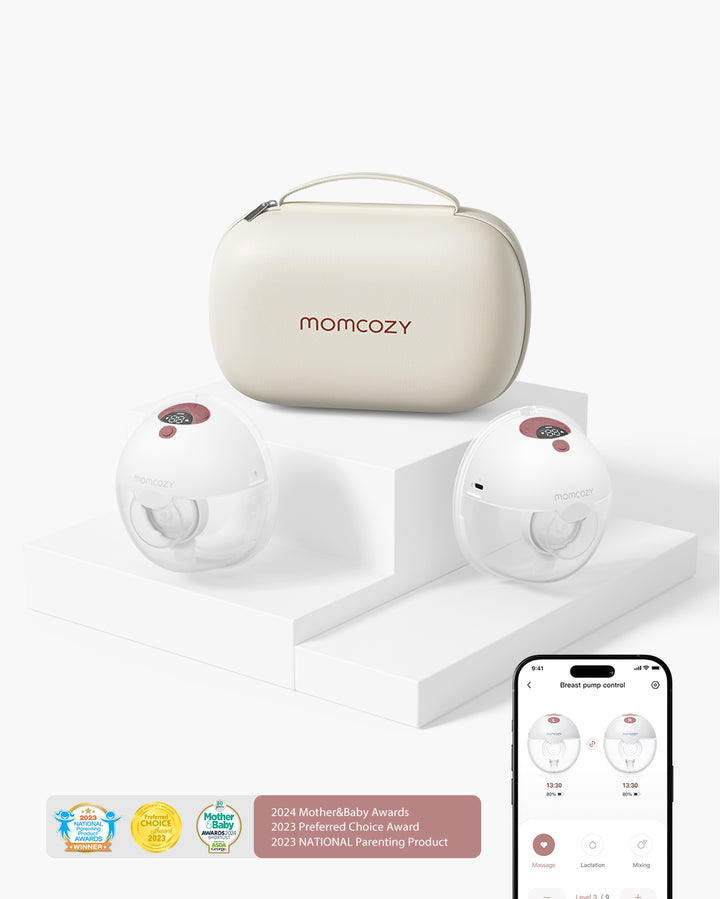
If the constant pulling and relatching makes nursing painful, consider a wearable pump to give your nipples a rest while ensuring your baby still gets breast milk. The Momcozy M5 Smart Wearable Breast Pump is a favourite among Singaporean mummies for its "in-bra" design, making it perfect for multitasking at home or discreetly pumping at the office.
Update
Best-seller M5 is now M5 Smart!
Connect to the Momcozy App to track volume and control sessions from your phone.
For those looking for lightweight comfort during their daily commute, the Momcozy Mobile Flow Hands-Free Breast Pump | M9 is another excellent choice that fits seamlessly into a busy Singapore lifestyle.
When Should I Seek Professional Support in Singapore?
While small tweaks often work, don't hesitate to seek help if the situation doesn't improve. In Singapore, you can reach out to lactation consultants at hospitals like KKH, NUH, or Gleneagles, or private practitioners who offer home visits.
Talk to a professional if:
Your baby isn't gaining weight according to their health booklet charts.
Feeds are consistently painful or result in cracked/bleeding nipples.
Your baby seems unable to stay latched for more than a few seconds even in a quiet room.
Localised FAQs
Why does my baby pull away and cry while breastfeeding in the afternoon?
This is often "witching hour" fussiness, which can be exacerbated by heat or overstimulation. Try a lukewarm bath or moving to a room with strong air conditioning to help your baby cool down before feeding.
Can I claim breastfeeding support through insurance in Singapore?
While standard Medisave doesn't usually cover lactation consultants, many Corporate Benefits or private maternity insurance plans in SG do offer coverage for postnatal support. Check with your HR or insurance provider.
Is the 3-3-3 rule safe for Singapore’s climate?
Due to the high humidity and heat in Singapore, the "3 hours at room temperature" rule should be followed strictly only in air-conditioned environments (approx 25°C). If your kitchen is not air-conditioned, it is safer to refrigerate milk immediately.
Conclusion
This phase where your baby keeps pulling off the breast and relatching can feel like a long one, but it is usually temporary. Using calming techniques, adjusting feeding habits, and trying helpful tools like Momcozy pumps can make a real difference. Keeping a baby nasal aspirator on hand also ensures your baby can nurse comfortably without tropical congestion getting in the way.
You’re doing a great job, Mummy! Whether you are a stay-at-home mum or a working pro, trust your instincts and take breaks when you need them.
Disclaimer
The information provided in this article is for general informational purposes only and does not constitute medical advice, diagnosis, or treatment. Always seek the advice of your physician or other qualified health provider regarding any medical condition. Momcozy is not responsible for any consequences arising from the use of this content.