


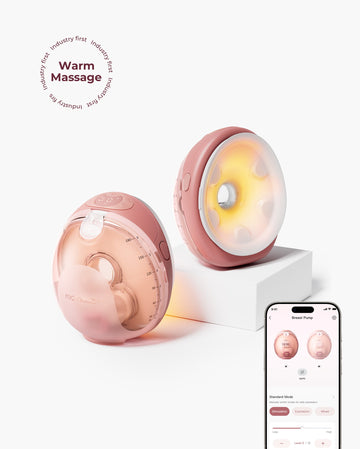
Returning to work after maternity leave is a significant milestone for many mothers. While it can bring excitement about reconnecting with colleagues and resuming a career, it may also come with questions about how to continue breastfeeding while balancing the demands of work and family life.
For many mothers, the thought of returning to the office can feel overwhelming. Concerns about maintaining milk supply, finding time and space to pump, storing expressed breast milk safely or adjusting to a new routine are all common. It's natural to wonder whether returning to work will change your breastfeeding journey—but returning to work doesn't have to mean the end of it.
With the right preparation, a flexible pumping routine and a supportive environment, many mothers successfully continue breastfeeding long after returning to work. Whether you work in an office, travel frequently, work shifts or enjoy the flexibility of a hybrid schedule, every breastfeeding journey can be adapted to fit your lifestyle.
This World Breastfeeding Month, Momcozy is committed to supporting mothers through every stage of their breastfeeding journey. In this guide, we'll share practical tips to help you prepare for your return to work, establish a pumping routine that works for you, overcome common challenges and continue breastfeeding with confidence—because every feed, every pumping session and every little win deserves to be celebrated.
Returning to Work While Breastfeeding: Practical Pumping Tips for Working Moms
Returning to work after maternity leave can bring mixed emotions. Many mothers look forward to reconnecting with colleagues and resuming their careers, yet feel anxious about how breastfeeding will fit into their new routine. Questions such as "Will my milk supply decrease?", "Where will I pump?" or "Will my baby still breastfeed when I'm home?" are among the most common concerns.
These feelings are completely normal.
Across Southeast Asia, more mothers are choosing to continue breastfeeding after returning to work, thanks to greater awareness, improved workplace support and innovations such as wearable breast pumps. While every mother's journey is unique, one thing remains the same: breastfeeding is not an all-or-nothing experience. Even if your feeding routine changes, every breastfeeding session and every drop of expressed milk continues to benefit your baby.
This World Breastfeeding Month, Momcozy celebrates mothers who are balancing careers, family life and breastfeeding. Because supporting breastfeeding means supporting mothers through real-life challenges—not just during the newborn stage, but throughout their entire journey.

Why Returning to Work Can Feel Challenging
For many mothers, the challenge isn't breastfeeding itself—it's adjusting to a completely new routine.
Before returning to work, feeding often happens naturally throughout the day. Once work begins, mothers suddenly need to schedule pumping sessions around meetings, commuting, deadlines and childcare arrangements. This transition can feel overwhelming, particularly during the first few weeks.
Common concerns include:
- Maintaining milk supply while away from baby
- Finding enough time to pump during a busy workday
- Transporting expressed milk safely
- Long daily commutes
- Feeling uncomfortable pumping outside the home
- Balancing work responsibilities with breastfeeding goals
It's important to remember that these challenges are common and can usually be managed with planning and flexibility. Rather than aiming for the "perfect" routine, focus on finding one that works for you, your baby and your workplace.
Preparing to Return to Work: A Two-Week Plan
A successful transition often begins before your first day back at work.
Preparing ahead of time allows both you and your baby to gradually adapt to a new feeding routine, reducing stress when the time comes to return to the office.
Two Weeks Before Returning
Build a Small Milk Stash
You don't need a freezer full of milk.
Start expressing one additional pumping session each day after your morning feed, when milk production is often highest. Over two weeks, these small amounts can gradually build a helpful reserve without creating unnecessary pressure.
Practise Pumping
If you've been exclusively breastfeeding, spend some time becoming familiar with your breast pump. Experiment with different settings and pumping times so you feel comfortable before returning to work.
Using your pump before your first day back also allows you to identify the flange size and settings that feel most comfortable.
Introduce Bottle Feeding Gradually
If another caregiver will be feeding your baby while you're at work, introduce expressed breast milk in a bottle gradually. Starting early allows your baby time to adjust without feeling rushed.
One Week Before Returning
Create a Pumping Routine
Try pumping during the same times you'll likely pump once you're back at work. This helps your body become familiar with a predictable schedule and may make the transition smoother.
Prepare Your Pumping Bag
Having everything packed and ready each evening can save valuable time during busy mornings.
Essentials include:
- Wearable breast pump
- Breast milk storage bags or bottles
- Cooler bag
- Frozen ice packs
- Spare nursing bra
- Charging cable or power bank
- Extra pump parts if needed
- Hand sanitiser
- Nursing wipes or tissues
- Water bottle
- Healthy snacks
Keeping a checklist inside your pumping bag can help ensure nothing gets forgotten.
Understand Your Workplace Facilities
Before returning, find out whether your workplace has:
- A private pumping room
- Access to refrigeration
- Flexible break arrangements
- Electrical outlets if required
If dedicated facilities aren't available, consider discussing possible alternatives with your manager or HR team before your first day back.
Creating a Pumping Schedule That Works
One of the biggest misconceptions is that every breastfeeding mother needs exactly the same pumping routine.
In reality, your schedule depends on factors such as your baby's age, your milk supply, your work hours and your daily commute.
The goal isn't perfection—it's consistency.

Example: Office-Based Working Mother (9am–5pm)
| Time | Activity |
|---|---|
| 5.00am | Breastfeed or pump when you wake up |
| 8:30am | Pump in the car or office breastfeeding room |
| 12:30pm | Pump during lunch |
| 5:00pm | Pump on the way home |
| Evening | Breastfeed on demand |
To make this schedule seamless, you’ll want a pump that fits effortlessly into your workflow. If you're new to using a pump in an office setting, check out our step-by-step tutorial on how to use a wearable breast pump —it covers everything from assembly to choosing the right setting, ensuring you're fully comfortable before your first day back.
Example: Hybrid Worker
Working from home often provides greater flexibility. Some mothers choose to breastfeed directly during breaks instead of pumping, while others continue expressing milk to maintain a freezer supply.
Remember that flexibility is one of the biggest advantages of hybrid work. Don't feel pressured to follow a rigid schedule if your routine naturally changes throughout the week.
Example: Shift Workers
Healthcare professionals, retail staff and hospitality workers may have less predictable schedules.
Rather than focusing on exact times, aim to pump approximately every three to four hours whenever practical. If one pumping session is delayed because of work commitments, simply resume your regular routine as soon as possible.
Consistency over time is more important than achieving the perfect daily schedule.
What Should You Pack in Your Pumping Bag?
A well-prepared pumping bag makes returning to work far less stressful.
Think of it as your "breastfeeding toolkit."
Essential Items
- Wearable breast pump
- Charging cable or power bank
- Milk storage bags
- Cooler bag
- Ice packs
- Spare breast pads
- Clean nursing bra
- Hand sanitiser
- Extra pump valves or accessories
- Reusable water bottle
- Healthy snacks
Nice-to-Have Extras
- A lightweight scarf or nursing cover if it helps you feel more comfortable
- Lip balm and moisturiser for long office days
- A notebook or pumping app to keep track of sessions
- Photos or short videos of your baby, which some mothers find comforting during pumping sessions
Preparing your bag the night before can help make mornings feel calmer and reduce the chance of forgetting an essential item.
Maintaining Your Milk Supply After Returning to Work
Many mothers worry that returning to work will automatically reduce their milk supply. While changes in routine can sometimes affect milk production, maintaining supply is often about consistency rather than perfection.
A few simple habits can make a significant difference:
- Continue breastfeeding whenever you're together with your baby, especially before leaving for work and after returning home.
- Try not to skip pumping sessions regularly, as milk production works on a supply-and-demand basis.
- Stay hydrated and eat balanced meals to support your overall wellbeing.
- Get as much rest as possible, recognising that adequate sleep can be challenging with a young baby.
- Remember that occasional variations in output are normal. Some days you may express more milk than others, and that's perfectly okay.
Most importantly, avoid comparing your pumping output with other mothers. Milk production varies greatly, and the amount you express with a pump isn't always an accurate reflection of your overall milk supply.
If you're unsure how much milk you should realistically aim to pump during those work breaks, our practical guide on how much milk to pump at work offers a helpful baseline based on your baby's age and feeding frequency.
Finding Confidence in Your New Routine
Returning to work is a transition not only for mothers, but for the whole family.
It may take several weeks for you, your baby and your caregivers to settle into a rhythm. There may be days when pumping goes exactly as planned, and others when meetings run over, your commute takes longer than expected or your baby drinks more milk than usual.
That's completely normal. During those busier days, the last thing you need is a pump that leaks or feels uncomfortable. Many mothers find that troubleshooting equipment issues in advance saves a lot of frustration. If you're experiencing leaks or discomfort, learning how to prevent breast pump flange leaks —which often comes down to the correct flange size—can make a world of difference in your daily comfort and confidence.
Breastfeeding isn't measured by a perfect schedule. It's built through consistency, flexibility and self-compassion.
Every pumping session is a step towards continuing your breastfeeding journey, and every small effort contributes to your baby's wellbeing.
Frequently Asked Questions (FAQs)
1. How often should I pump after returning to work?
Most breastfeeding mothers pump every three to four hours during the workday to help maintain their milk supply. For a typical eight-hour workday, this usually means pumping two to three times, depending on your baby's age and feeding routine. If you're working longer shifts or travelling frequently, you may need additional pumping sessions. Remember that every mother is different, so it's important to find a routine that suits your body, your baby and your work schedule. Consistency is generally more important than pumping at exactly the same time every day.
2. Will returning to work reduce my milk supply?
Returning to work does not automatically reduce your milk supply. Milk production works on a supply-and-demand basis, meaning regular breastfeeding or pumping helps your body continue producing milk. Missing pumping sessions frequently or going long periods without expressing milk may affect supply over time. Planning regular pumping breaks, staying hydrated and breastfeeding whenever you're together with your baby can help maintain your breastfeeding journey after returning to work.
3. How much breast milk should I leave for my baby while I'm at work?
Every baby feeds differently, but many breastfed babies consume approximately 60–120ml of breast milk per feed, depending on their age and individual needs. Instead of preparing large bottles, many mothers find it helpful to store milk in smaller portions. This reduces waste if your baby doesn't finish a bottle and makes it easier for caregivers to thaw only what is needed.
4. When should I start pumping before returning to work?
Many lactation professionals recommend introducing pumping around one to two weeks before returning to work. This gives you time to become familiar with your breast pump, establish a comfortable routine and build a modest freezer supply if you choose. There's no need to create a large milk stash—having enough milk for your baby's first day or two back with a caregiver is often sufficient.
5. What if my workplace doesn't have a dedicated nursing or lactation room?
Not every workplace has a designated lactation room, especially in smaller offices or businesses across Southeast Asia. If this is the case, speak with your employer or Human Resources team before returning to work. A clean, private meeting room, unused office or wellness room may be suitable for pumping. Planning ahead often makes the experience less stressful and helps establish a routine that works for both you and your employer.
6. How should I store breast milk at work?
Freshly expressed breast milk should be stored in clean breast milk storage bags or sterilised bottles and labelled with the date and time of expression. If your workplace has a refrigerator, refrigerate the milk as soon as possible. If refrigeration isn't available, an insulated cooler bag with frozen ice packs can help keep breast milk cool during the workday until you return home. Always follow local health authority recommendations for safe breast milk storage and handling. For a deeper dive into fridge safety, thawing, and using cooler bags effectively, our article can you put breast milk back in the fridge provides clear answers to the most common storage dilemmas working moms face.
7. Can I continue breastfeeding if I travel frequently for work?
Yes. Many mothers continue breastfeeding while travelling for work by bringing a portable wearable breast pump, milk storage bags and an insulated cooler bag. If you're flying, check your airline's policies regarding breast milk and pumping equipment before travelling. Planning your pumping schedule around meetings, flights and travel time can help maintain milk supply while you're away from home.
8. How can I pump discreetly at work?
Choosing a quiet, private space and wearing comfortable nursing-friendly clothing can make pumping feel more convenient. Many working mothers also choose wearable breast pumps because they are designed to fit inside a nursing bra, allowing for greater flexibility during pumping sessions. While every workplace is different, having a regular pumping routine and communicating openly with your employer can help make pumping a normal part of your workday.
9. What should I pack in my pumping bag?
A well-prepared pumping bag typically includes your breast pump, milk storage bags or bottles, charging cable, cooler bag, frozen ice packs, spare breast pads, hand sanitiser, tissues, water bottle and healthy snacks. Some mothers also keep spare pump parts or an extra nursing bra in their bag so they're prepared for longer workdays or unexpected delays.
10. Is a wearable breast pump better for working mothers?
Every mother's needs are different, but wearable breast pumps have become increasingly popular among working mothers because they offer greater portability and convenience than traditional pumps. Their hands-free design can make it easier to pump during busy days, whether you're working in an office, travelling between meetings or working from home. Choosing the right breast pump depends on your lifestyle, comfort preferences and breastfeeding goals.
11. Can stress affect milk production?
Stress itself doesn't usually reduce long-term milk production, but it may temporarily make it more difficult for milk to let down during pumping or breastfeeding. Creating a calm environment, staying hydrated and taking a few moments to relax before pumping may help. Some mothers also find that looking at photos or videos of their baby or using gentle warmth and breast massage before pumping can encourage a more comfortable pumping experience.
12. Why is comfort important when pumping?
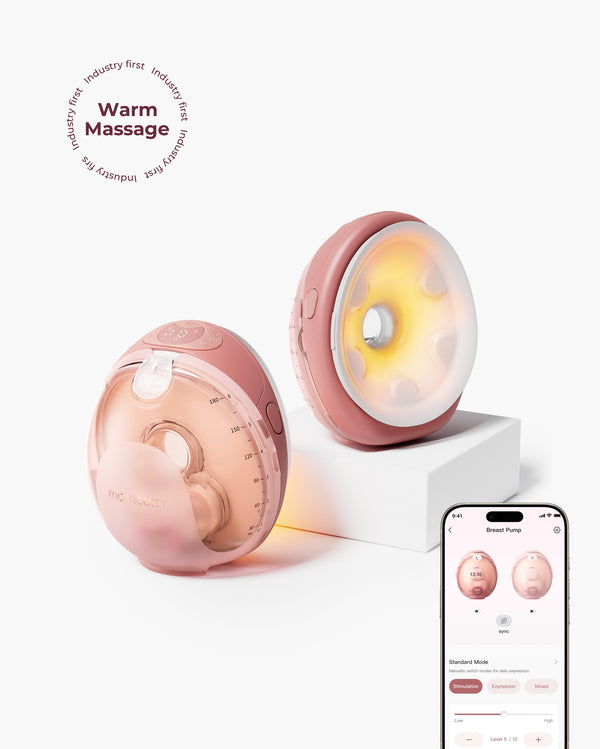
Feeling comfortable during pumping can make it easier to maintain a regular routine, especially after returning to work. Factors such as the correct flange size, appropriate suction settings and a relaxed environment all contribute to a better pumping experience. The Momcozy Wellness 1 Warm-Massage Wearable Breast Pump is designed with gentle warmth and massage technology to support greater comfort while fitting naturally into the busy lifestyles of working mothers.

13. Can I breastfeed when I'm home and pump only at work?
Absolutely. Many working mothers combine direct breastfeeding at home with pumping during work hours. Breastfeeding before leaving for work, after returning home and throughout the evening helps maintain bonding while allowing caregivers to feed expressed breast milk during the day. This combination feeding approach is common and can support breastfeeding even after returning to work.
14. How can Momcozy support my breastfeeding journey after returning to work?
Returning to work is just one milestone in your breastfeeding journey, and having the right support can make all the difference. Beyond innovative products, Momcozy is committed to supporting mothers through every stage of breastfeeding with a growing ecosystem of solutions, educational resources and community initiatives.
From wearable breast pumps like the Momcozy Wellness 1 Warm-Massage Wearable Breast Pump and other breastfeeding essentials, to expert-led guidance through the Breathe & Breastfeed campaign, Momcozy aims to empower mothers with practical knowledge, trusted support and a community that understands the realities of modern motherhood. Whether you're preparing to return to work, navigating your pumping routine or looking for breastfeeding tips, Momcozy is here to support every latch, every let-down and every little win.


